Every so often someone asks what camera gear I use to photograph a wedding. It doesn’t happen often — most couples don’t mind as long as the photos look great — but recently a groom who’s an enthusiastic photographer asked me to run through my setup. It made me wonder whether anyone else might be curious.
So here it is. A friendly, no nonsense breakdown of the equipment I use at an average wedding as Alan Ruiz Photography Ltd. No jargon essays. No romantic talk about “storytelling”. Just the practical tools I rely on to capture the moments that matter.
The Main Workhorses: Nikon Z8 Cameras
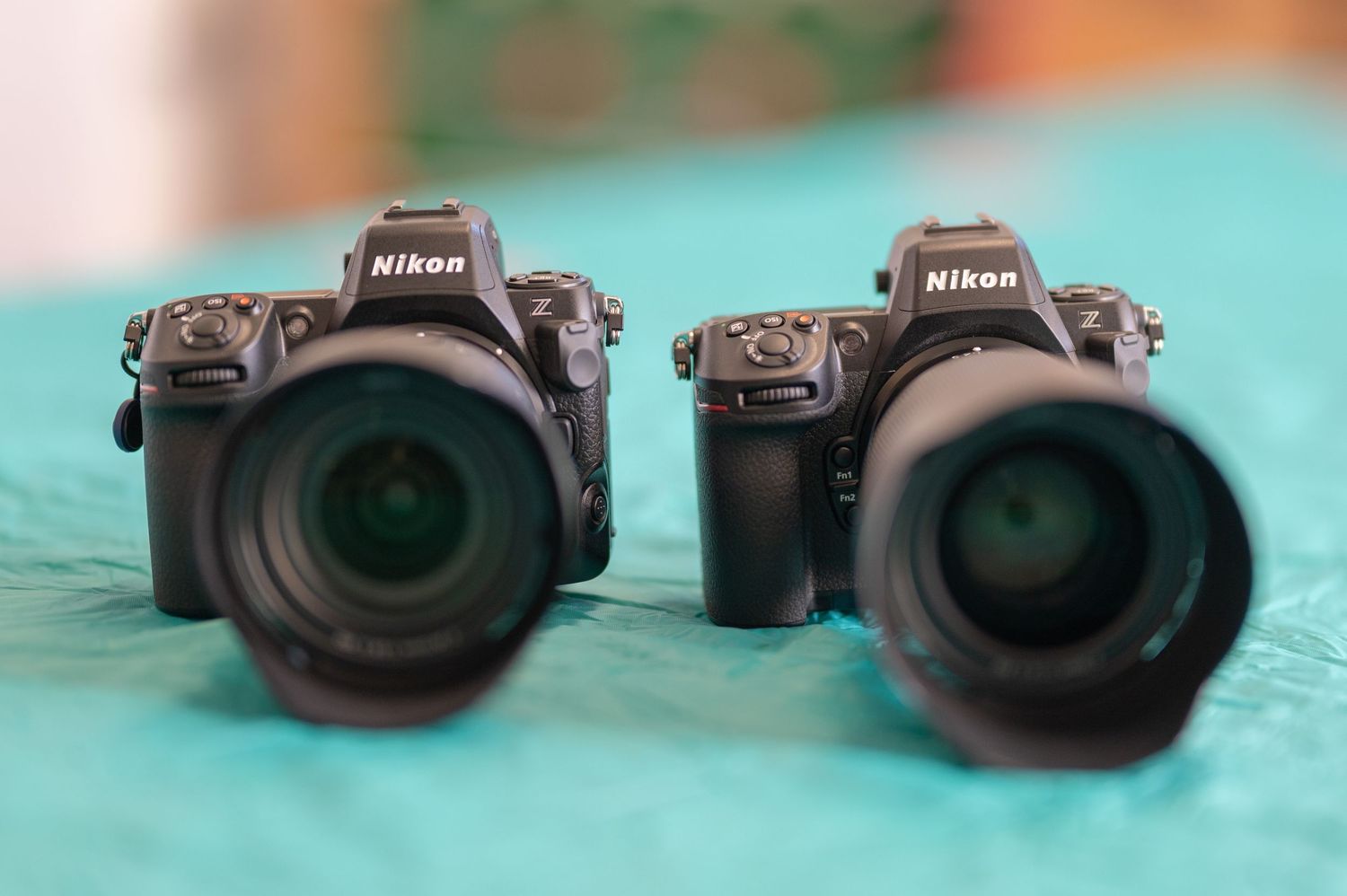
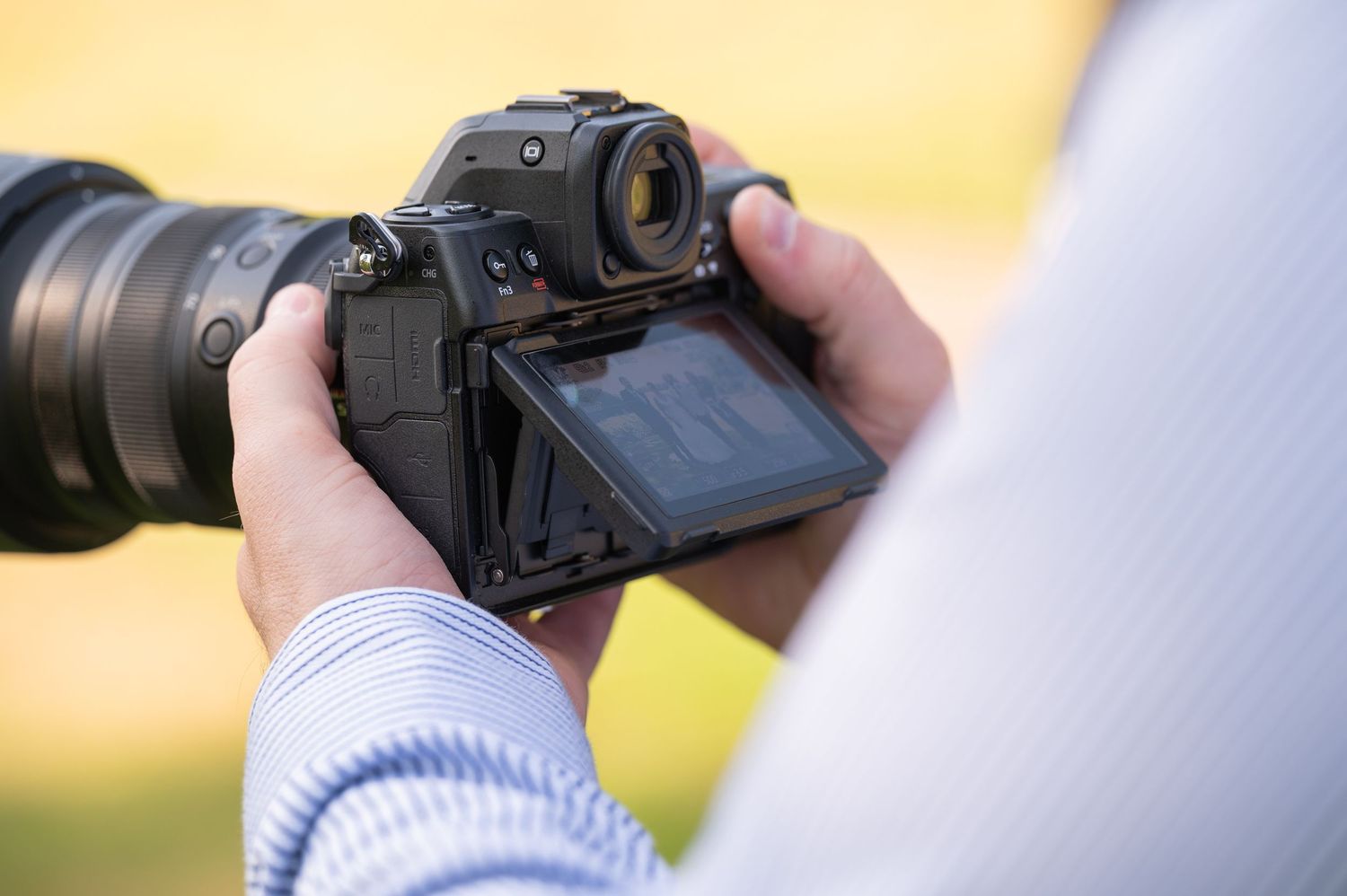
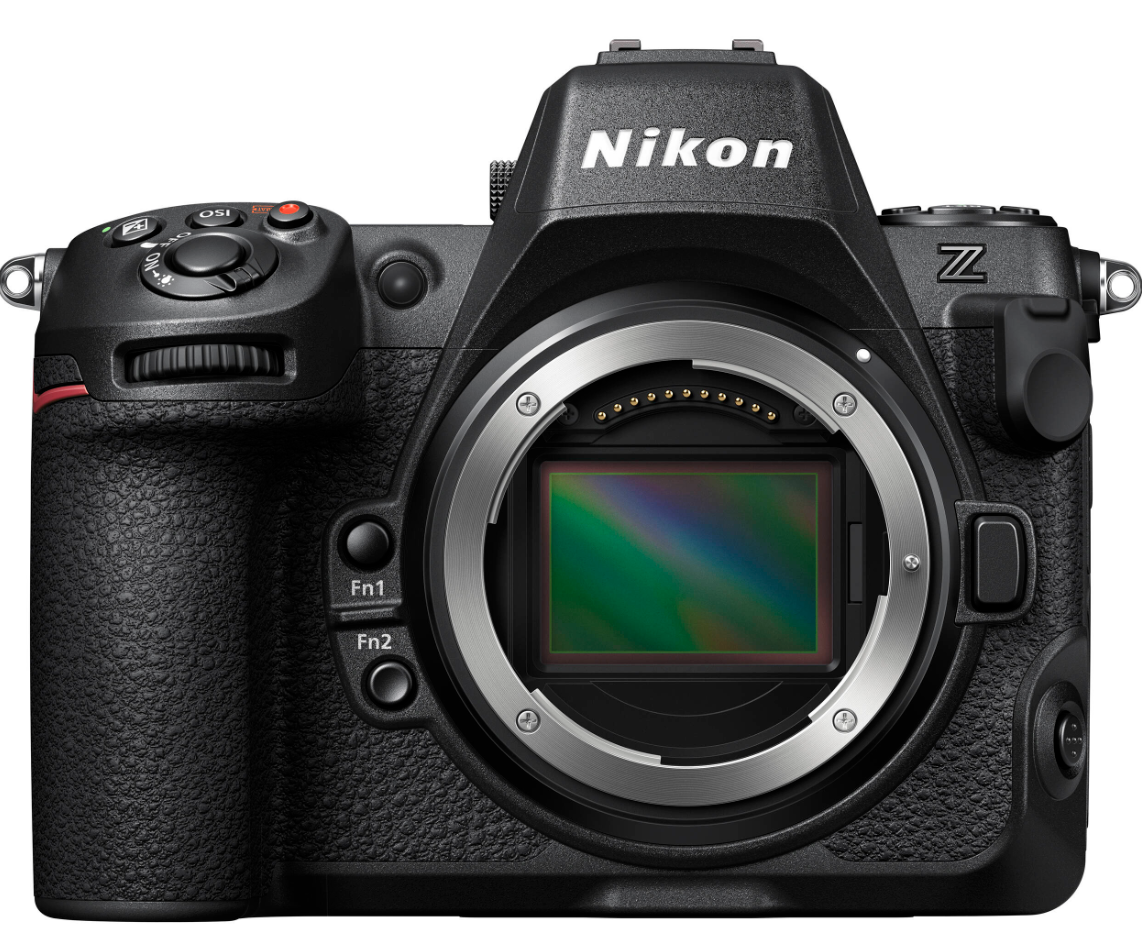
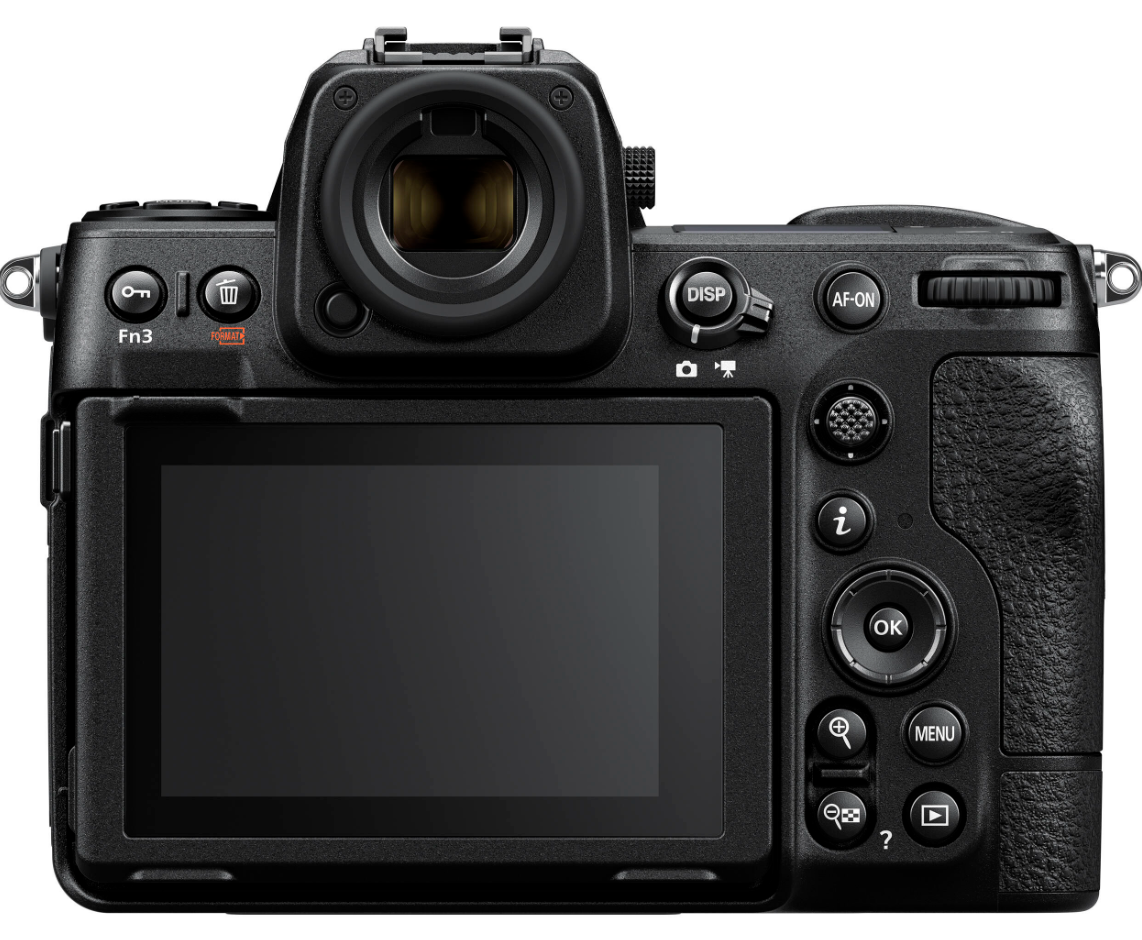
The backbone of my kit is a pair of Nikon Z8 cameras. They rarely leave my side from the morning prep through to the dance floor.
I carry both on a handmade Leather harness made by the amzing people at Cloverlily Leatherworks,, which lets me stay hands free when needed yet switch cameras in seconds. Throughout most of the day both Z8s are active. Occasionally I’ll only carry one if I’m moving through a tight space or if a 30 second detour to grab the spare wouldn’t matter, but generally it’s a two camera setup that keeps everything smooth.
Why two? Because weddings move fast. Things happen simultaneously. Having two bodies means I don’t waste time swapping lenses and I don’t miss the important moments.
The Backup: Nikon Z6 II
My Nikon Z6 II sits quietly as the safety net. It’s a smaller body but still a strong performer. I keep it as a backup in case something unexpected happens with either Z8.
To be honest, the Z8 build quality is so good that I don’t expect trouble, but after enough years photographing events I’ve learned you plan for the worst and hope for the best.
The Lenses I Use and Why
Here’s the part photographers love and normal humans skim past. But if you’re interested, this is the full lineup I rely on during a wedding day.
14 to 30 mm f4
A specialist tool for big establishing shots, wide rooms, large family groups and those tiny spaces where I still need to fit everyone into frame. It isn’t used constantly but it’s essential when the layout demands it.
35 mm f1.8
Small, light, fast and incredibly versatile. The 35 mm focal length works for most situations. Not too tight, not too wide. Brilliant for documentary style photos and detail shots thanks to its excellent close focusing ability.
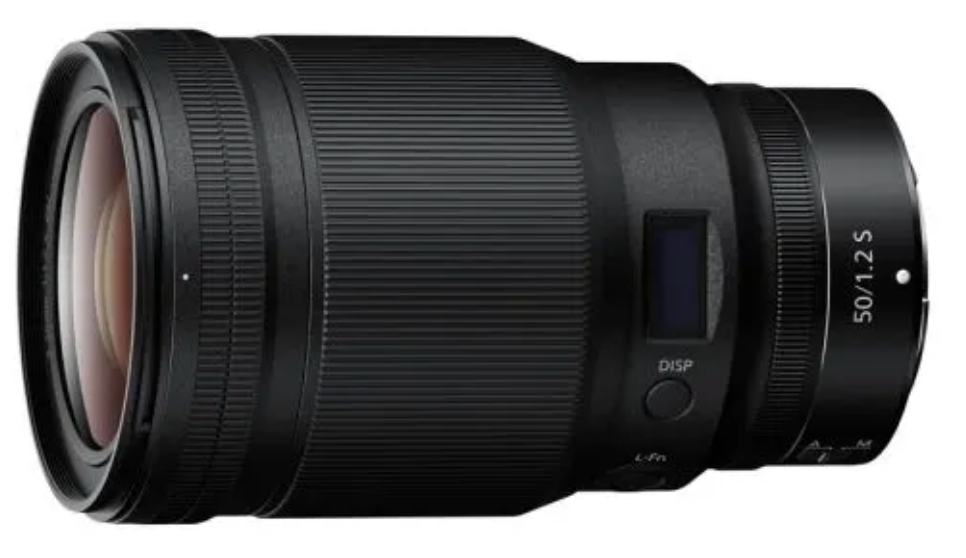
50 mm f1.2
A favourite. It creates beautifully soft backgrounds and the image quality is superb. It’s ideal for portraits and natural moments where you want the subject to stand out without distractions. Perfect for indoor use where space is an issue.
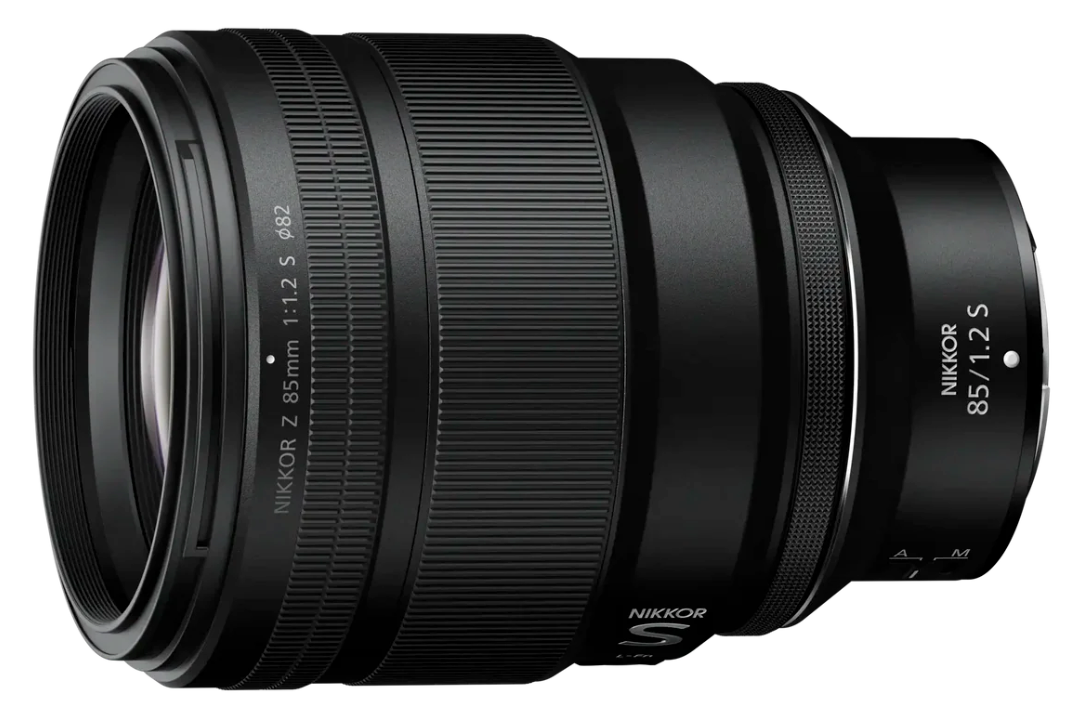
85 mm f1.2
My most expensive business investment and worth every penny. Many photographers consider this the best portrait lens money can buy. The image quality is outstanding and it produces a look that genuinely needs to be seen to be believed. I'll never do a wedding without this bad boy of a lens!
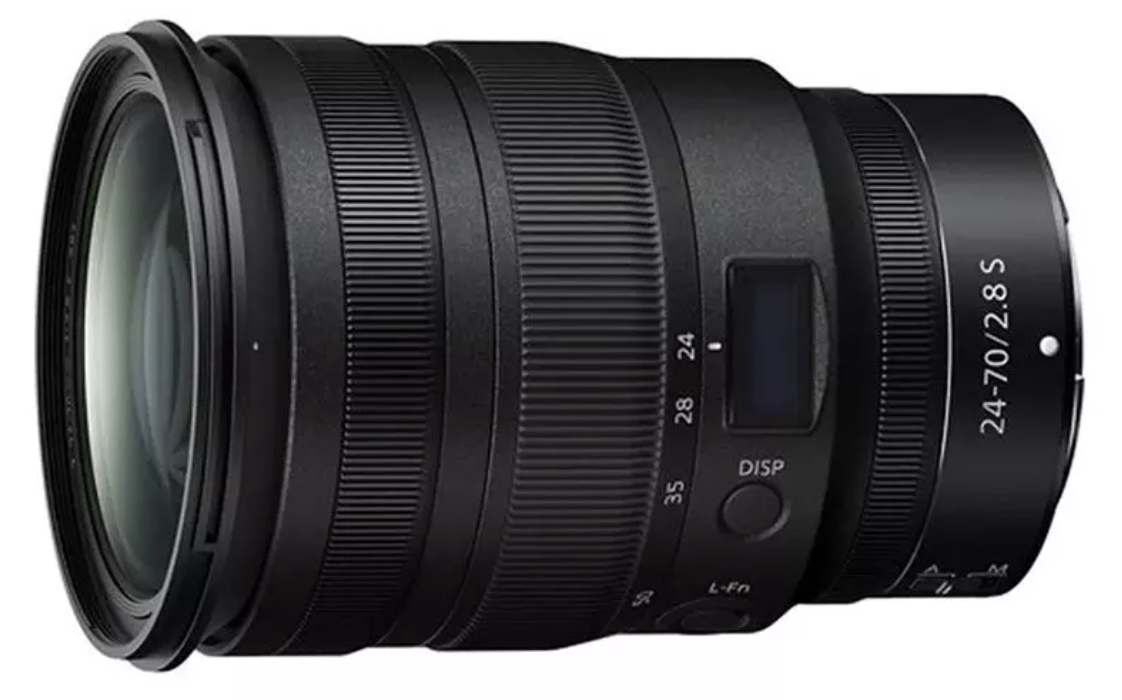
24 to 70 mm f2.8
The reliable all rounder. Great from morning prep to evening receptions. Even at 24 mm it produces very high quality images. This is the lens that gets the job done in almost any situation.
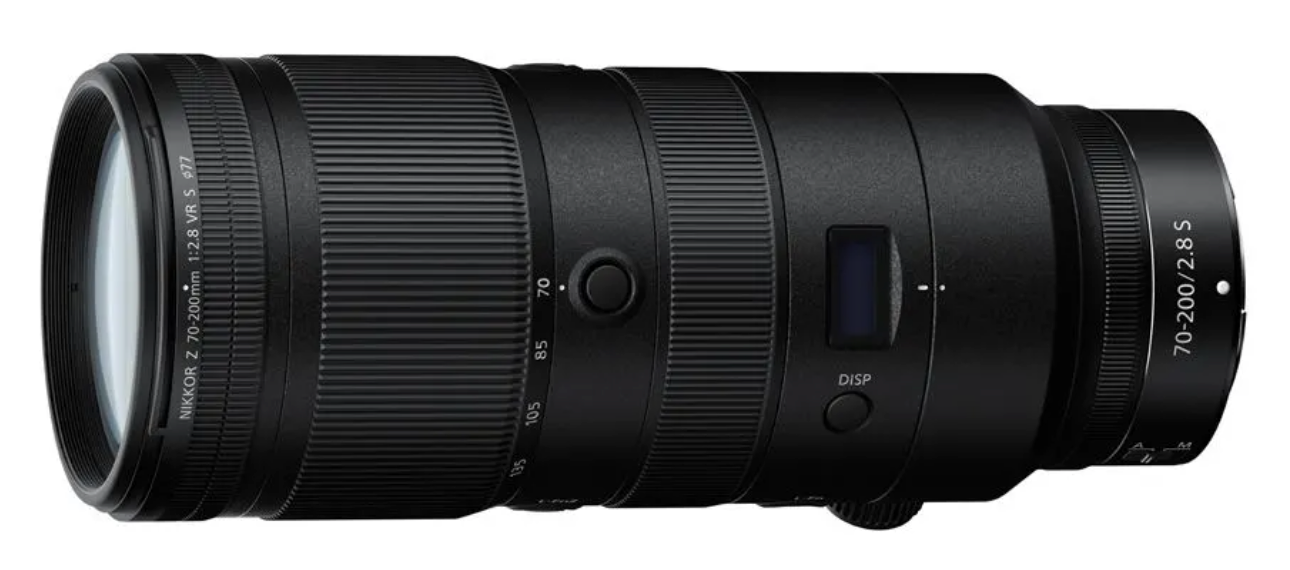
70 to 200 mm f2.8
The candid machine. This lens lets me capture natural moments from across the room without anyone noticing me. Sharp, fast and incredibly useful during ceremonies and speeches.
Memory Cards: Sandisk CF Express and SD
Every camera I use is loaded with Sandisk CF Express cards which are among the most reliable and durable on the market. Each one is backed up with a matching Sandisk SD card in the second slot. Weddings are one place where you do not gamble on cheap cards.
Lighting: Ready for Every Situation
Wedding venues come in every lighting flavour from bright and airy to “do these bulbs actually work.” To handle all situations, I carry:
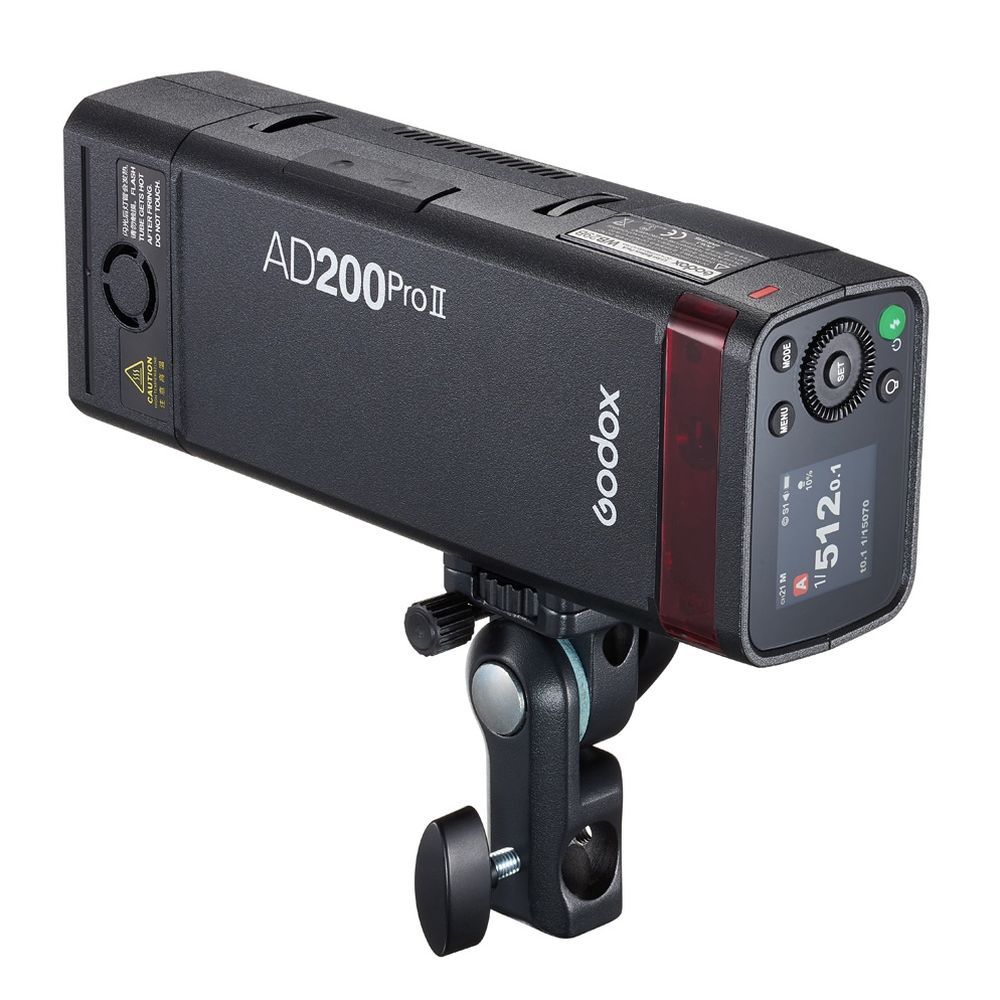
- Two Godox AD200 flashes
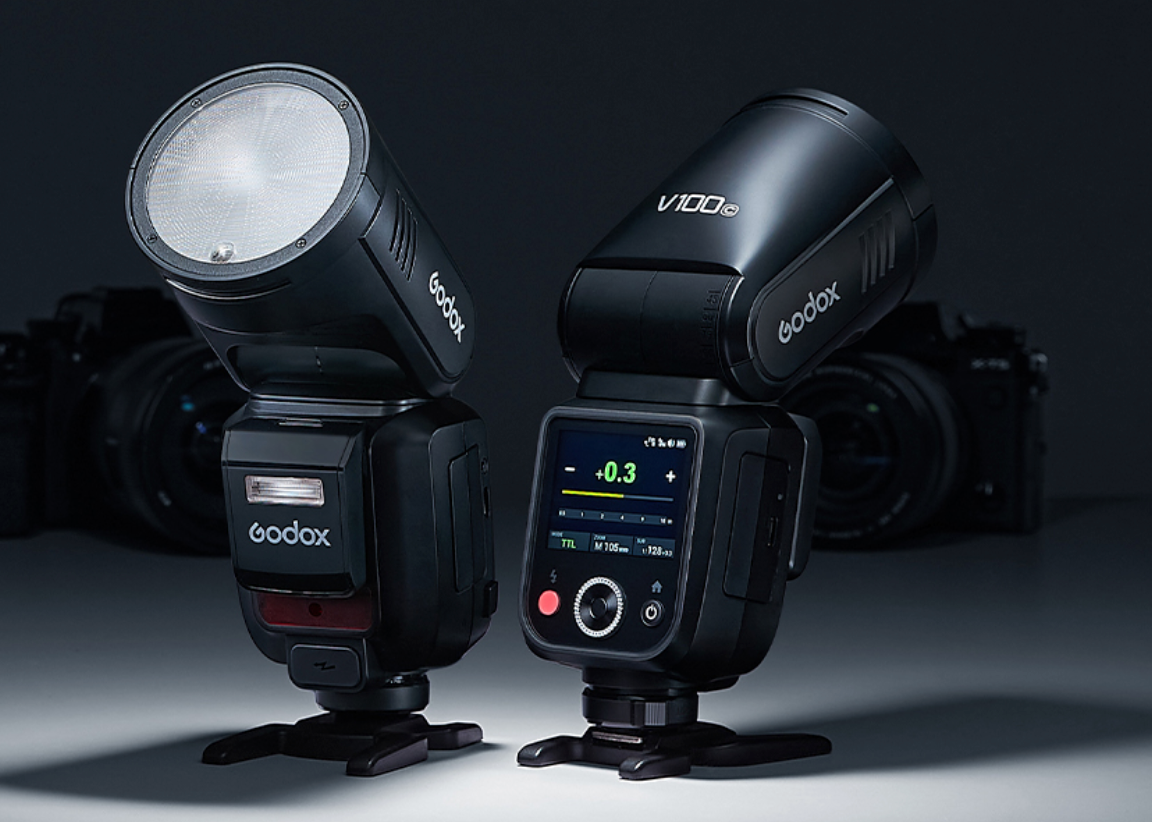
- Two Godox V100 speedlights
- A full range of light modifiers and reflectors plus backgrounds
These flashes deliver plenty of power and extremely fast recycling times, letting me shoot multiple frames quickly without waiting for them to recharge.
Film Photography Option
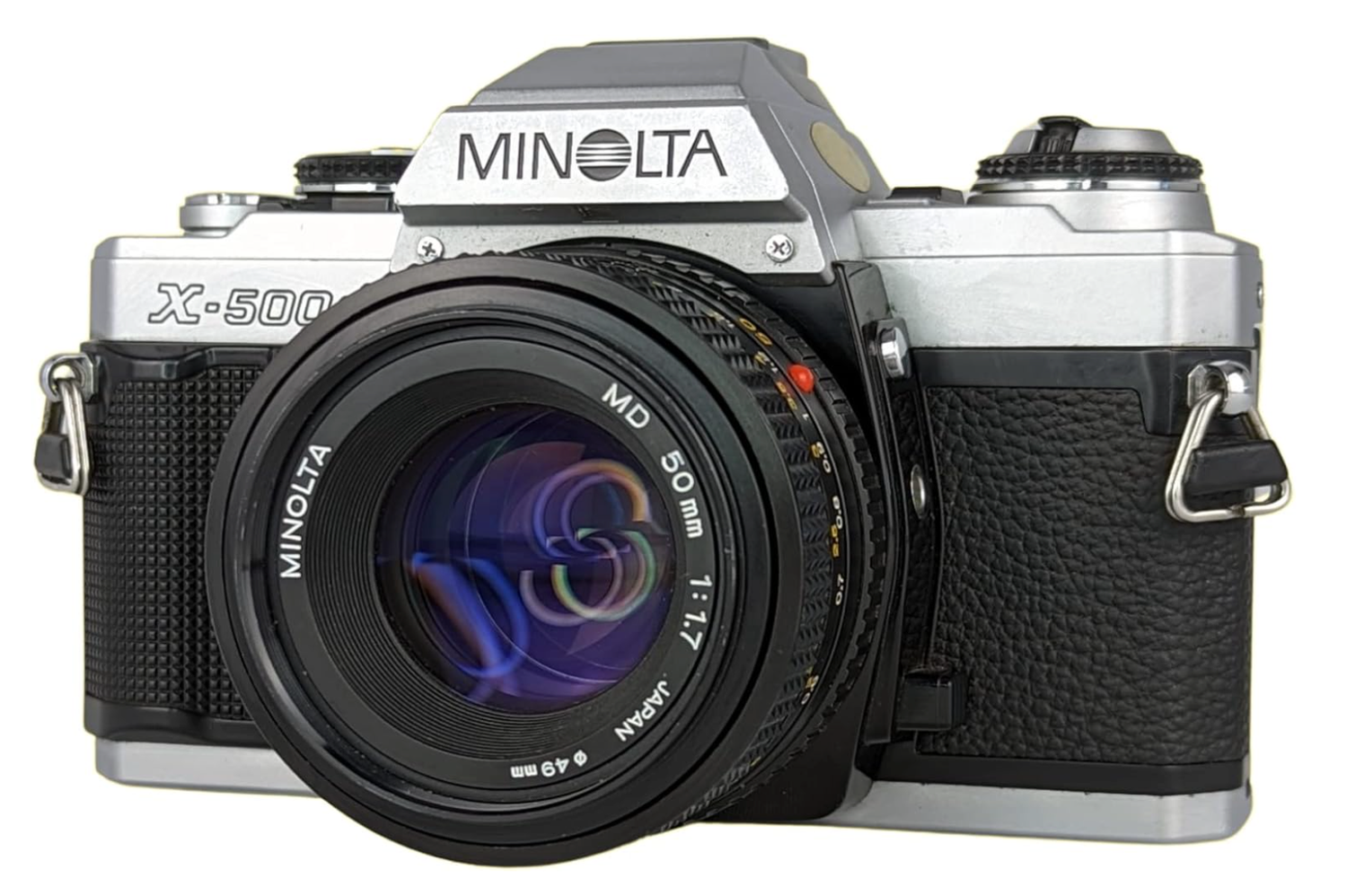
I also bring my Minolta X-500 35 mm film camera when couples request film shots. I love working with black and white film for portraits. It gives a completely different feel and some couples really enjoy having a few frames captured the old fashioned way.
Behind the Scenes Gear
For fun and for social media content, I bring:
- My Insta360 X5 for 360 degree BTS clips
- The new Gen 2 Ray-Ban Meta AI glasses for point of view behind the scenes video in 3k
I’m looking forward to creating more POV wedding day content with these.
Why Nikon? A Quick History
I started out with a Minolta film camera back in 1995 when I was a teenager. In the early 2000s I moved to Canon digital and built up a decent system. In 2010 I switched completely to Nikon, and in 2018 I added Fuji for a while before returning fully to Nikon again.
After using multiple systems for more than 25 years, Nikon simply works best for me. In my personal experience they offer:
- Excellent build quality
- Great low light performance
- Easier menus and usability
- Strong customer care
- Better colour, especially skin tones
- Superb image clarity
And, most importantly, they produce images that feel right. There’s something about the look that just suits the work I do.
Would I enjoy a Hasselblad? Absolutely. Will my bank account approve it? Not a chance but it might be a good tax right off one day!!
Does Your Photographer’s Brand Matter?
No.
Any professional photographer can create beautiful work with Canon, Nikon, Sony or Fuji. The brand is just the tool. What matters is whether the photographer knows how to use it and how comfortable they feel with their system.
I’m not a Nikon snob. I just enjoy working with the tools that help me deliver the best possible images for my couples. I've tried the others and they aren't for me but suit many others.
Want to Learn More or Book a Wedding?
If you’re curious about anything I use or want to chat about wedding photography for your own big day, feel free to get in touch. I’m always happy to chat cameras, gear or wedding plans.
#weddingphotographer #weddingphotography #weddingphotographerscotland #fifeweddingphotographer #scottishweddingphotographer #ukweddings #weddinginspiration #weddingideas #weddingdaymoments #weddingdetails #bridalphotography #groomphotography #photographygear #weddingphotographygear #nikonZ8 #nikonZseries #weddingcamera #weddingphotographerlife #behindthescenesphotography #btswedding #photographersofscotland #mirrorlessphotography #filmphotography #35mmfilm #blackandwhitefilm #filmweddingphotography #analoguephotography #filmcommunity #alanruizphotography #fifephotographer #scotlandphotographer #ukphotographer #professionalphotographer #creativebusiness #smallbusinessuk #nikonphotographer #cloverlilyleatherworks #cloverlily
