Adaptability the Key
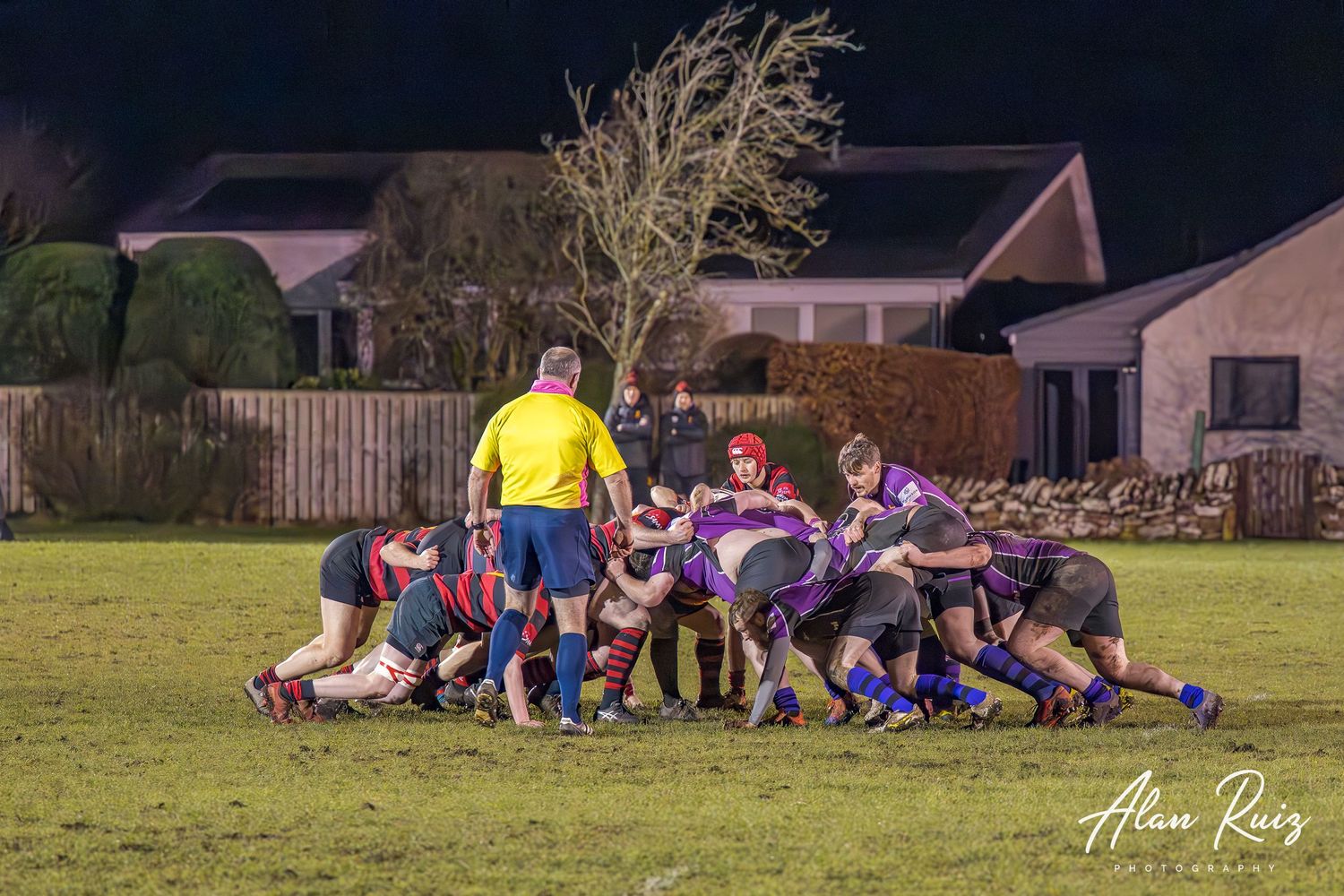
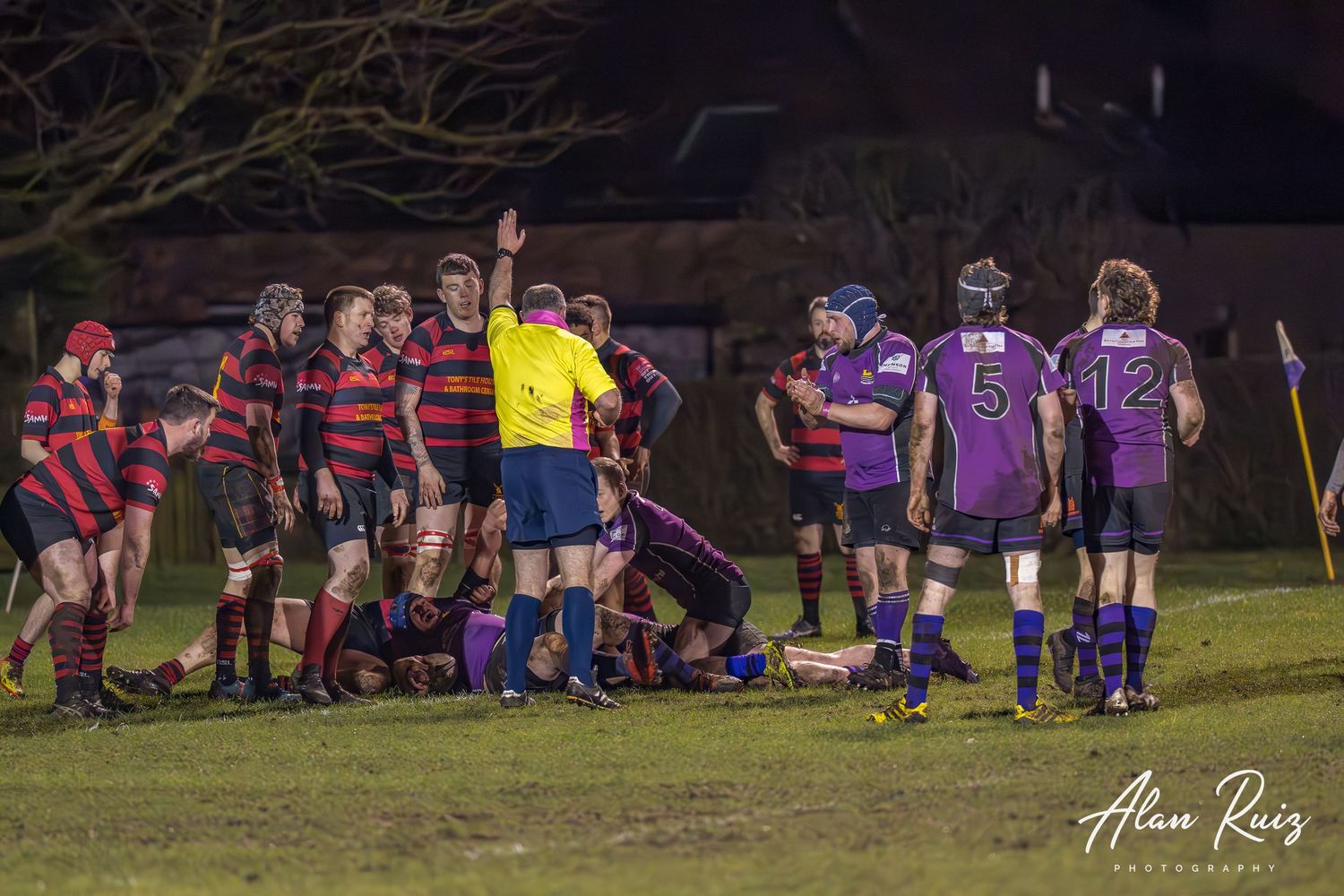
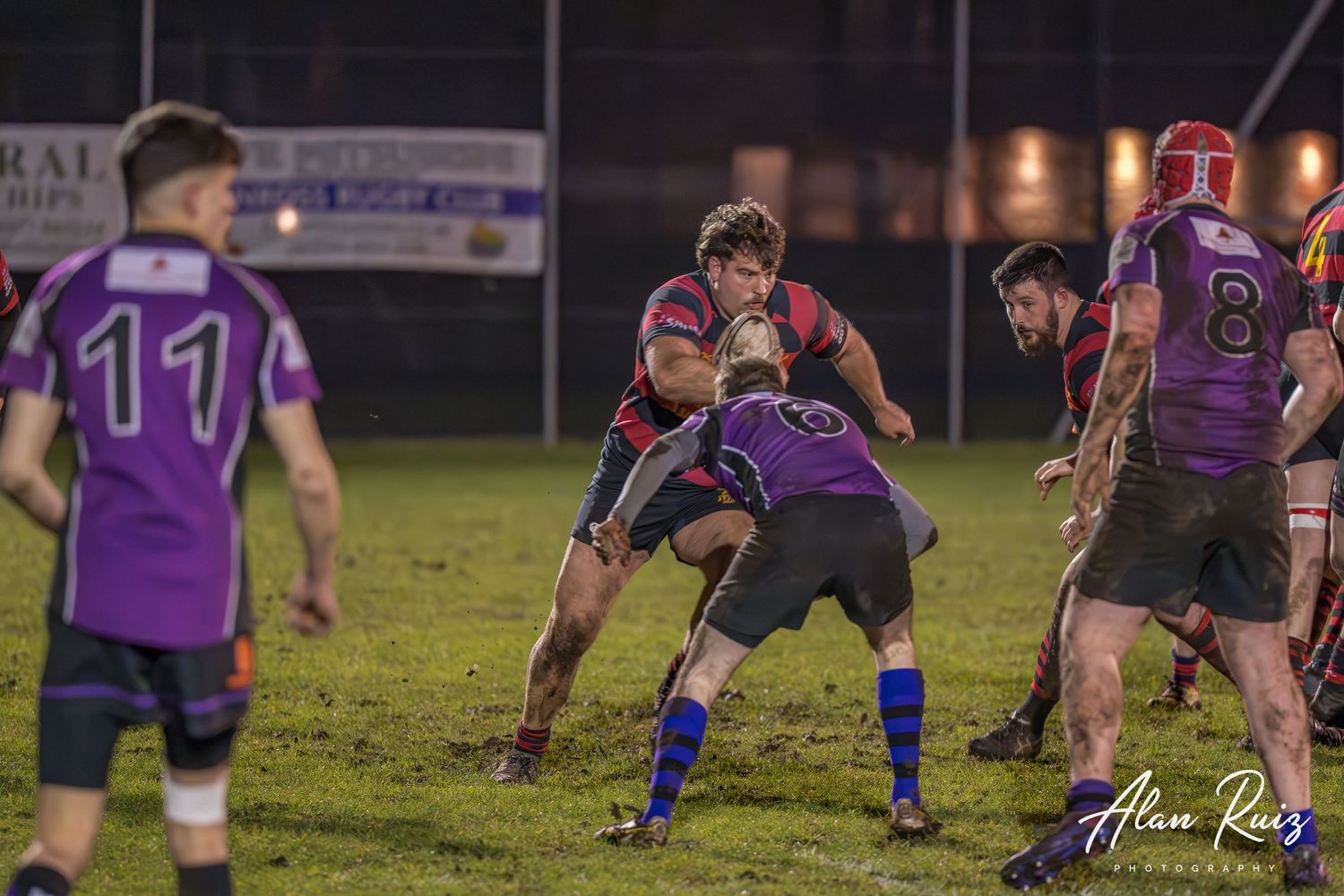
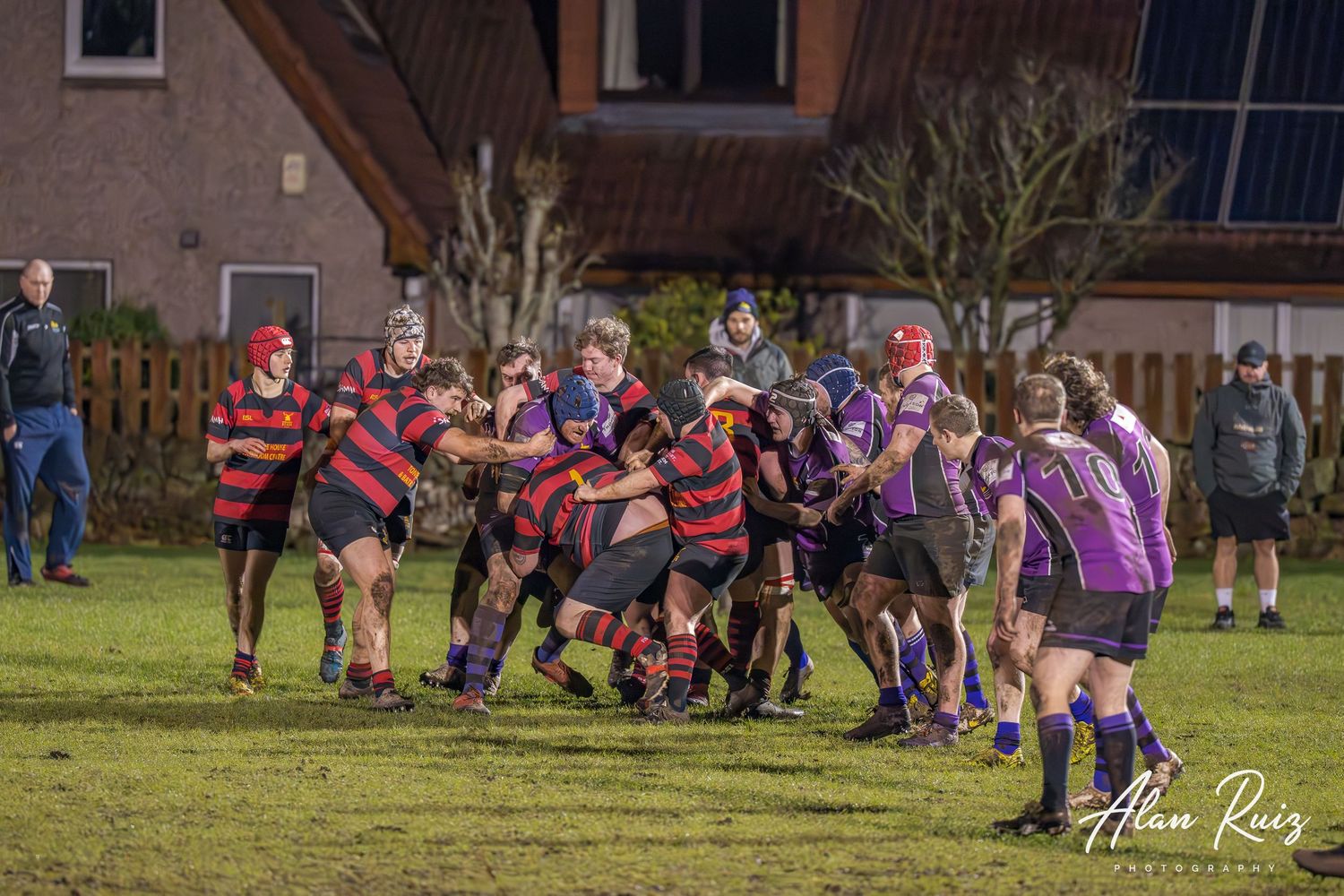
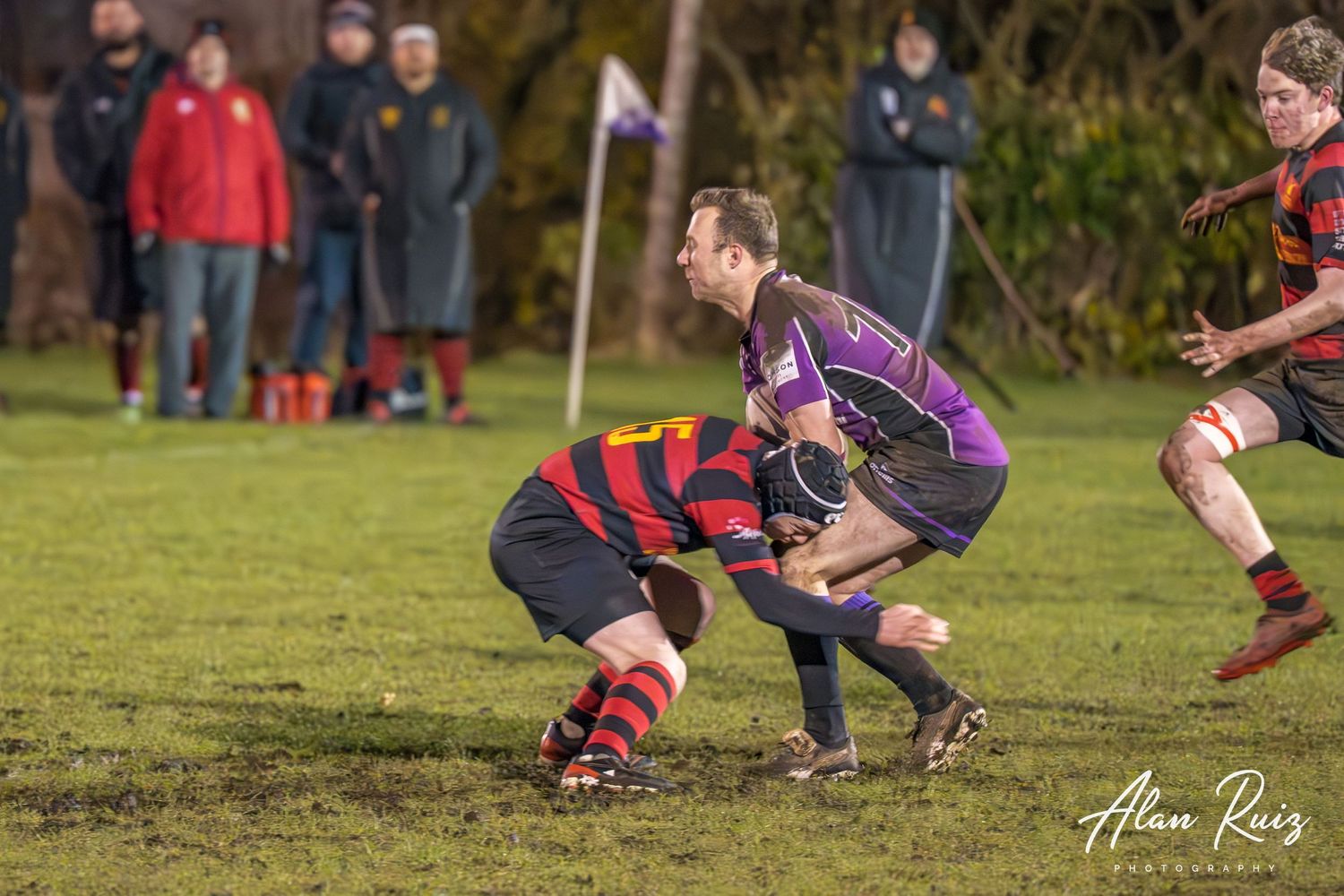
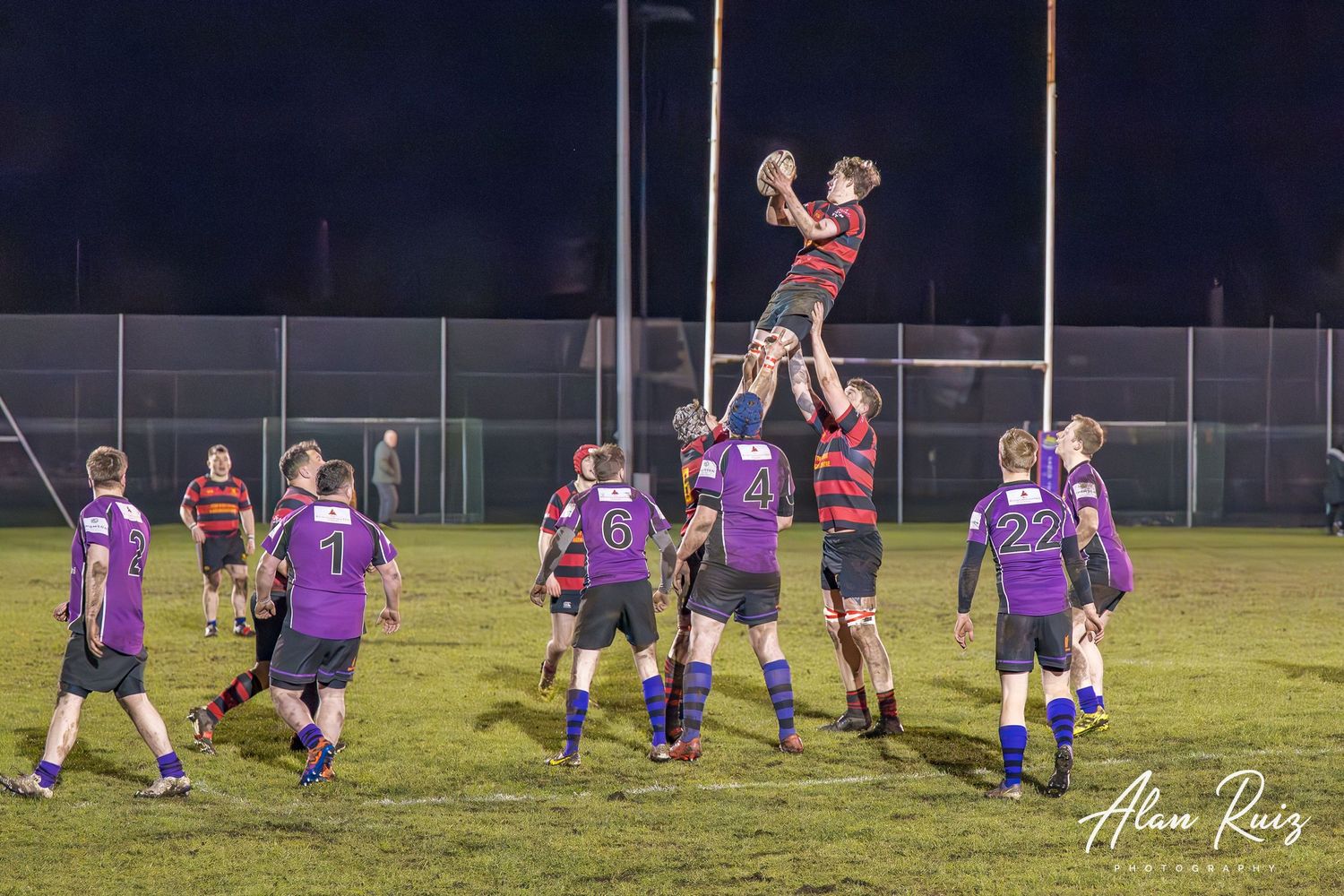
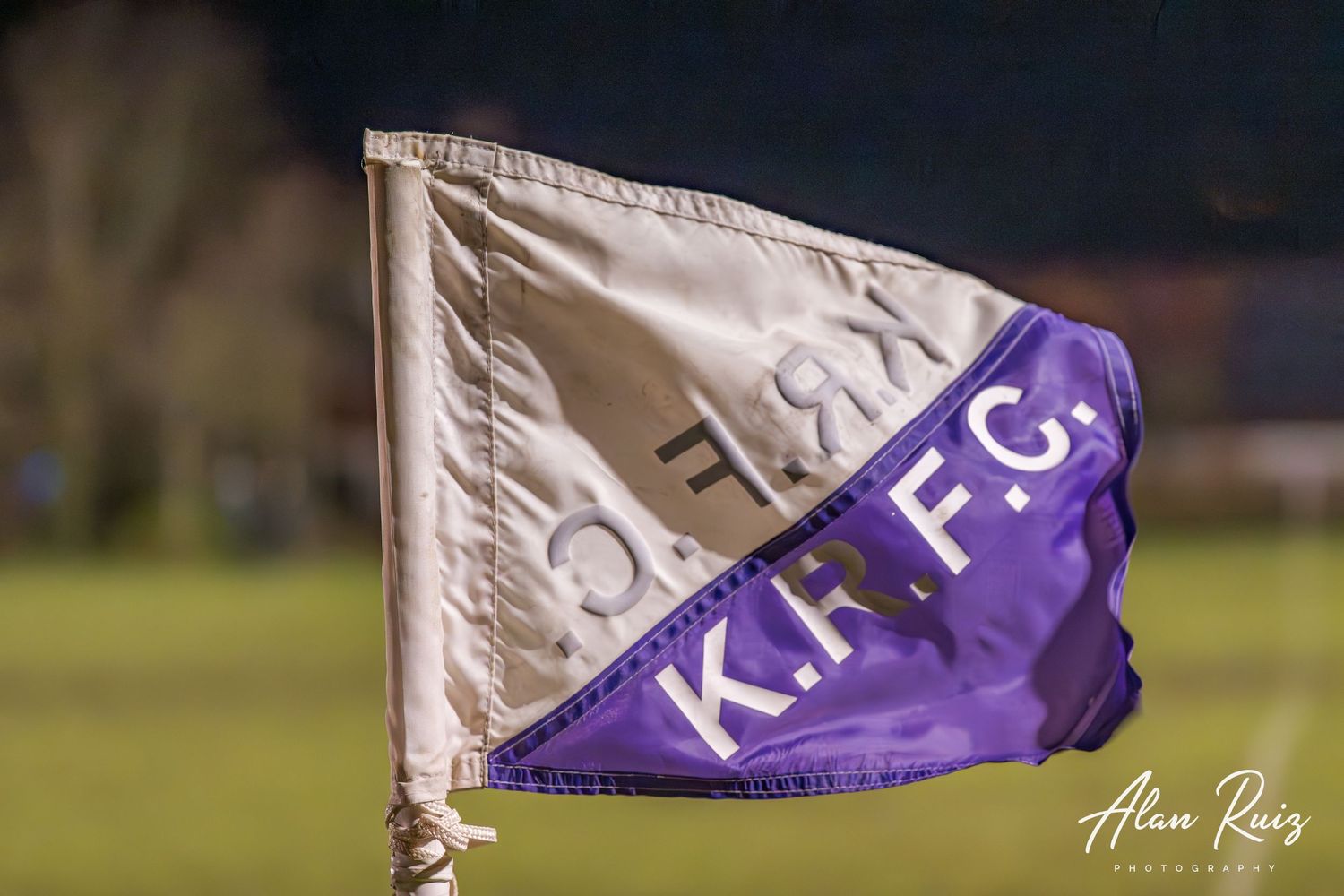
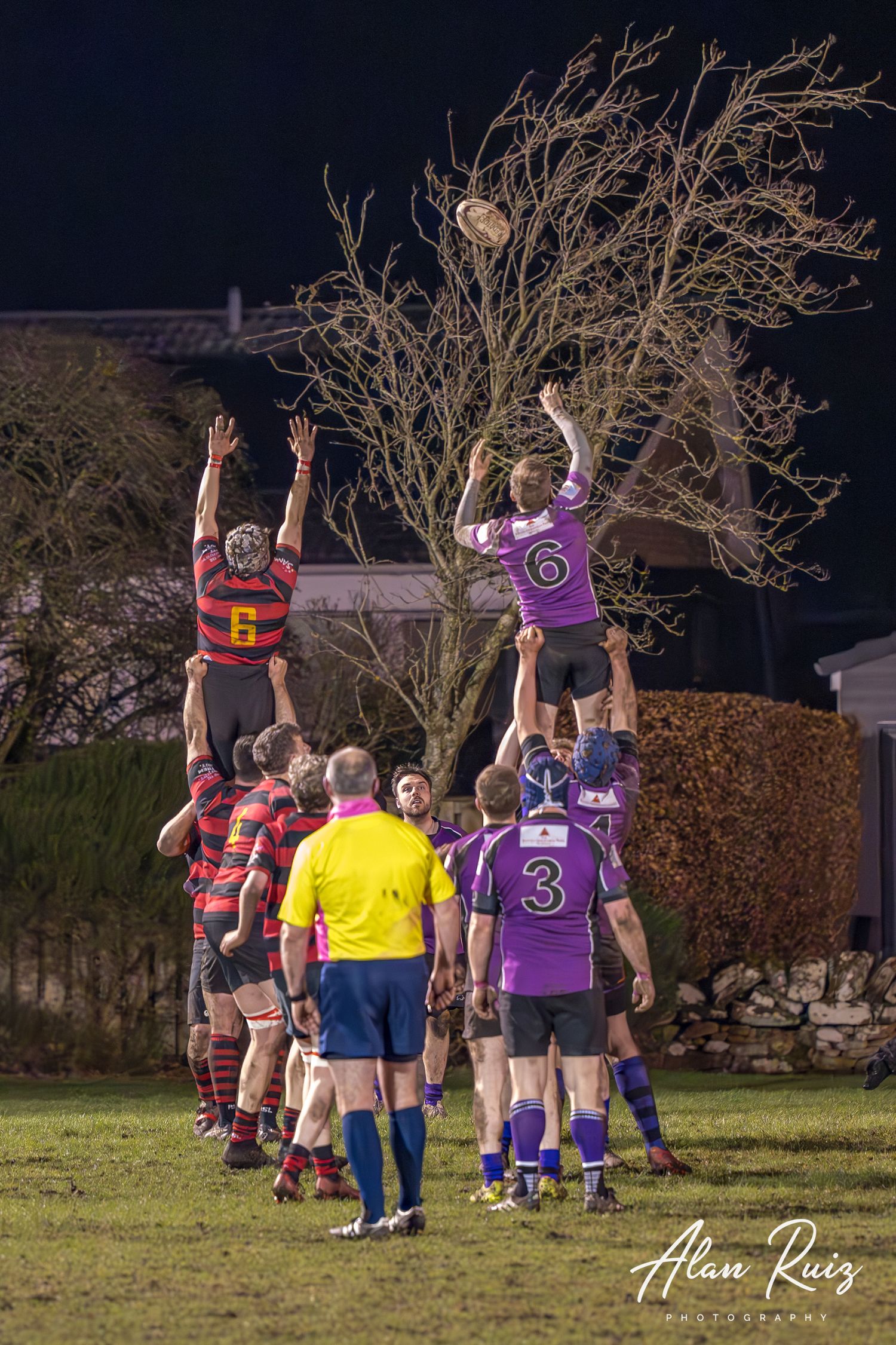
Friday night under the floodlights at the King George V Playing Fields in Kinross. Sounds dramatic, right? Well, let me tell you, it was dramatic in more ways than one. A fierce contest between Kinross Rugby’s first fifteen and Grangemouth Stags played out under dim lighting, thick mud, and howling wind—essentially, a photographer’s nightmare. Or, as I now call it, a crash course in adaptability.
The Match-Up: A David vs. Goliath Rematch
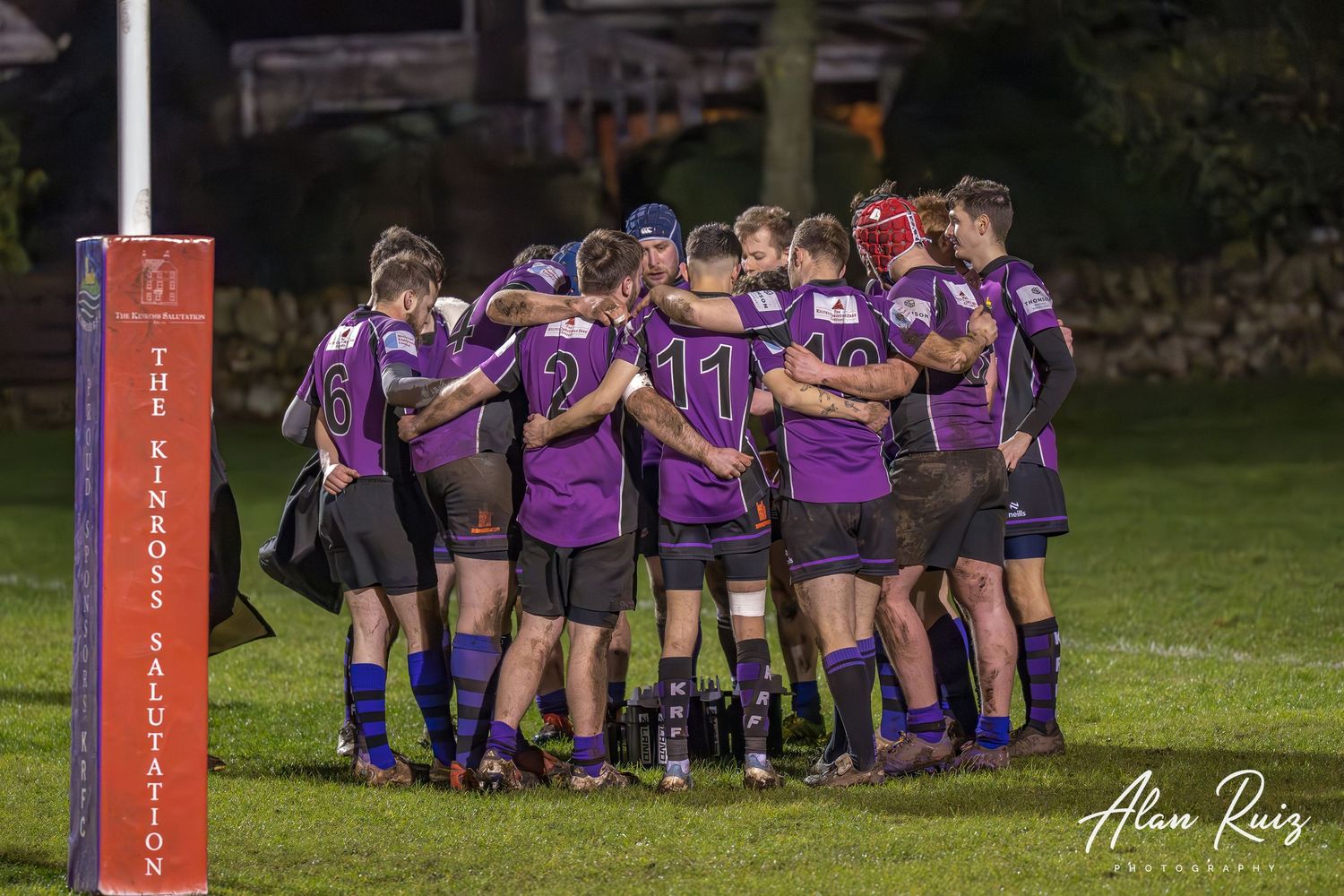
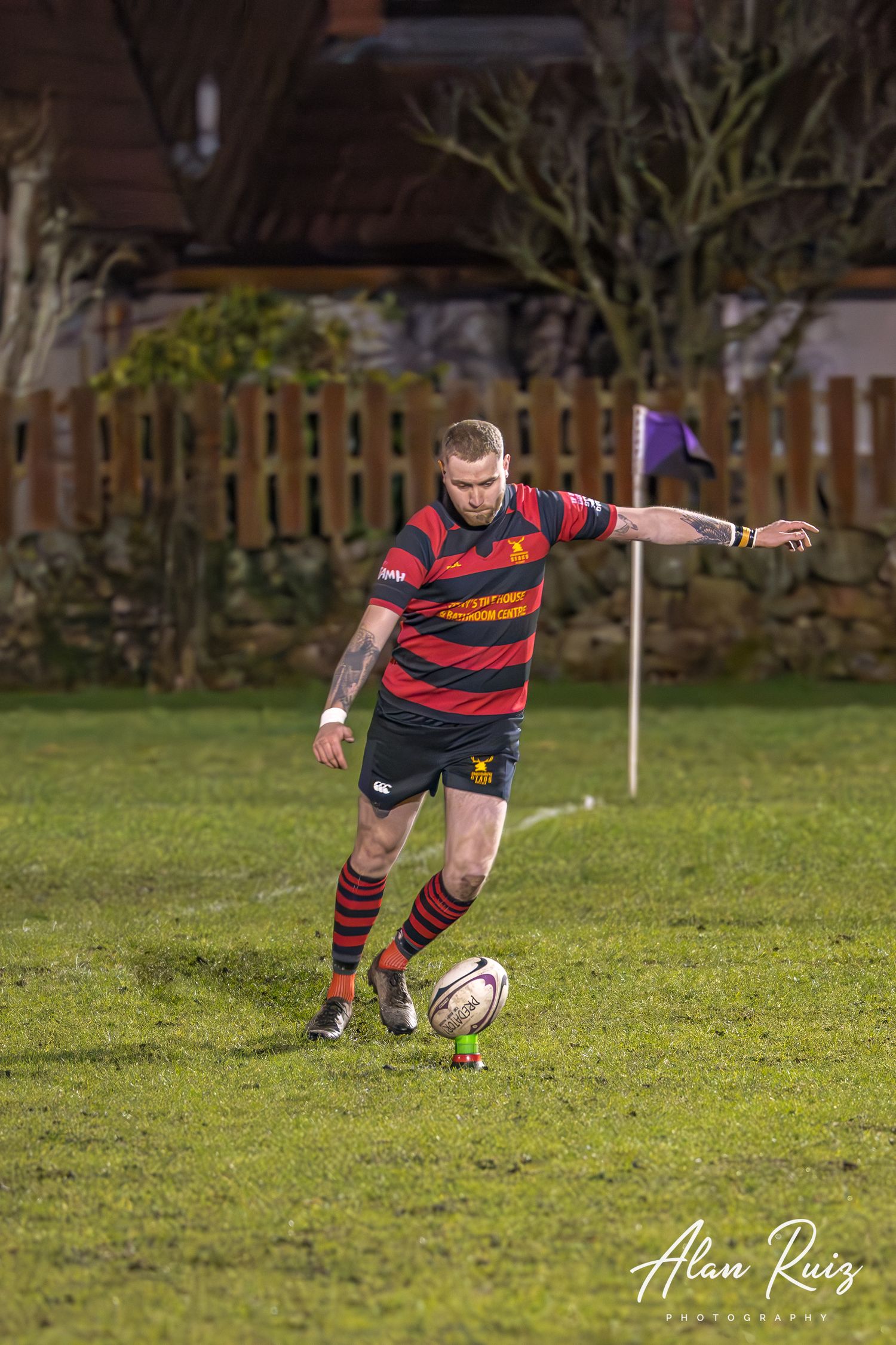
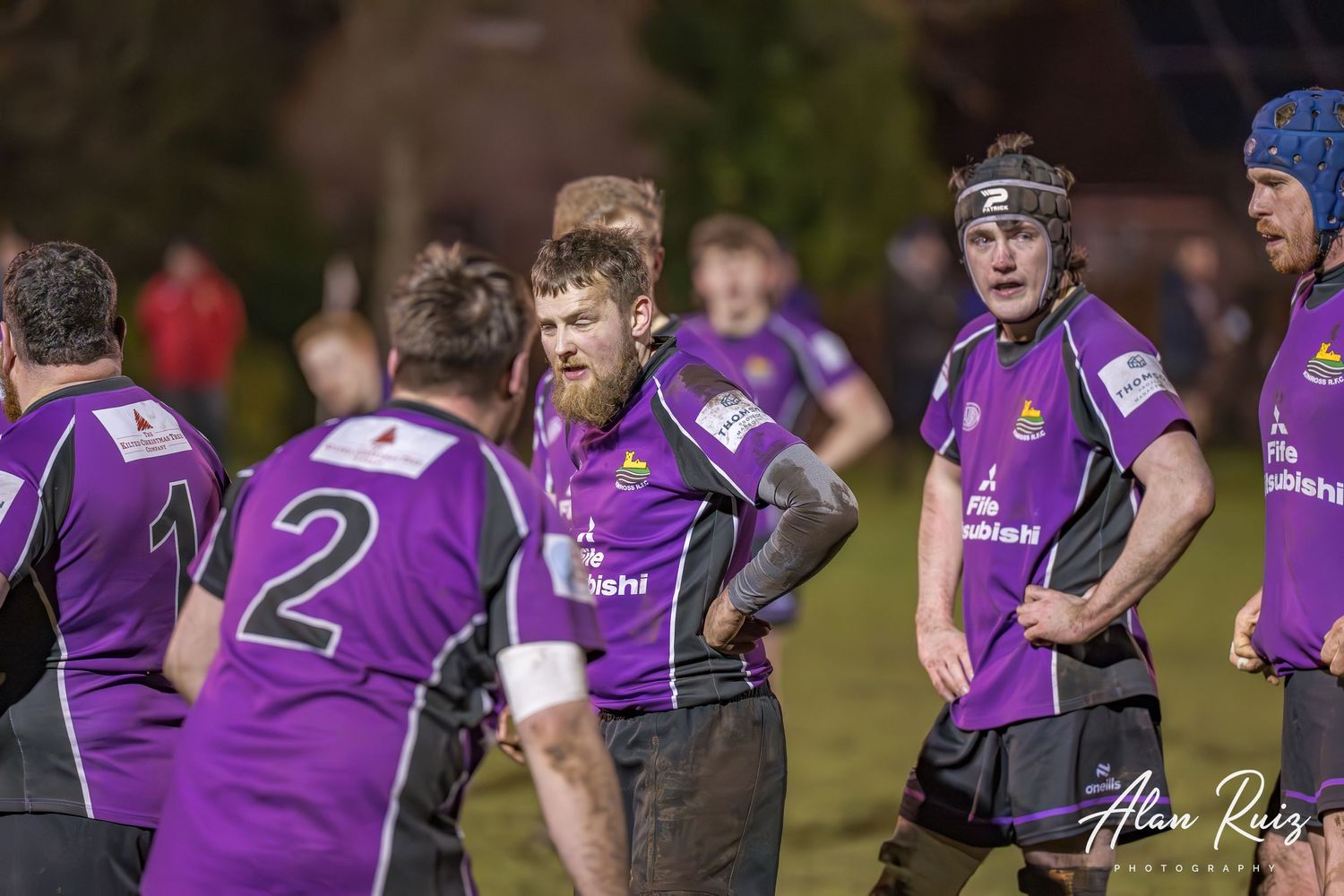
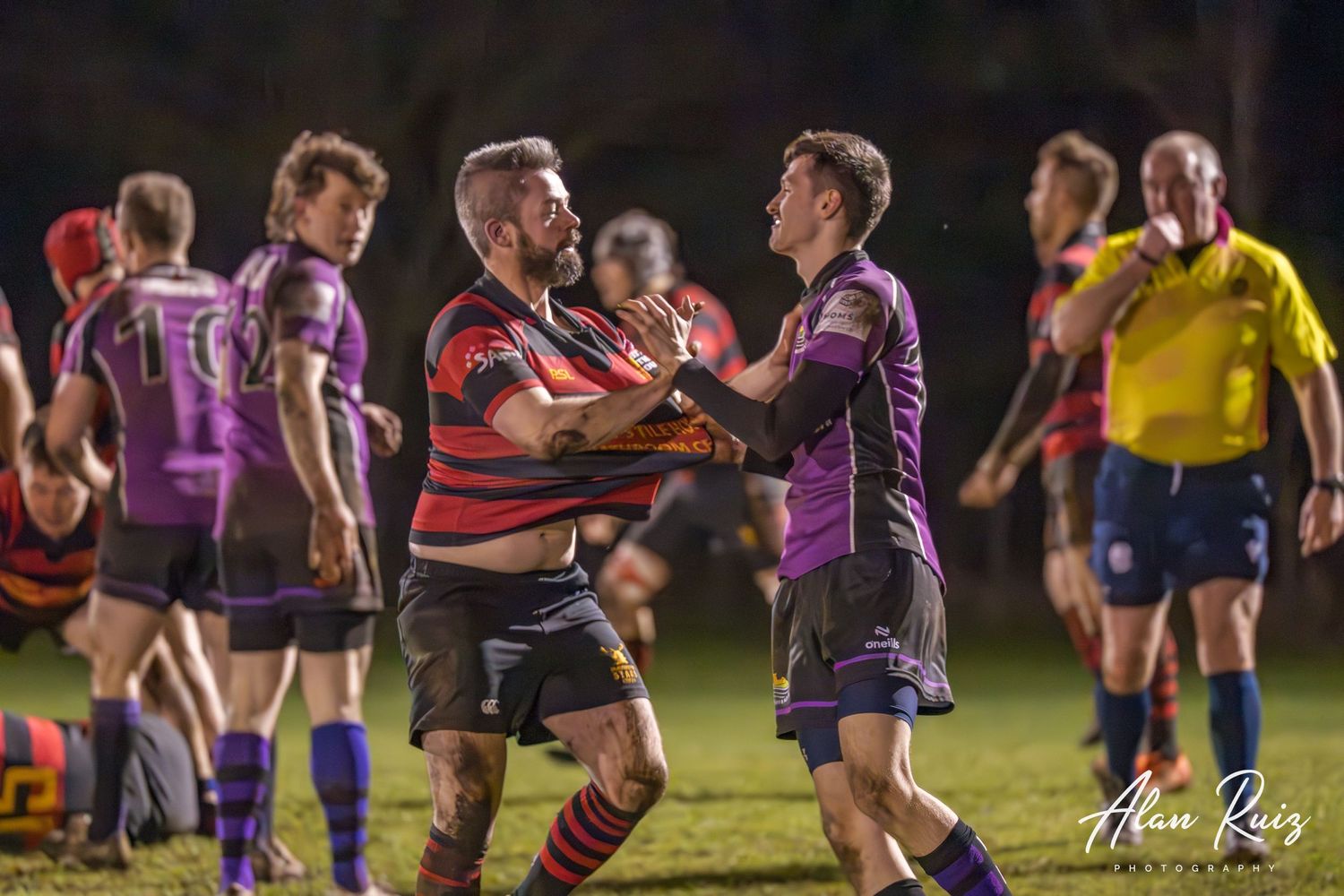
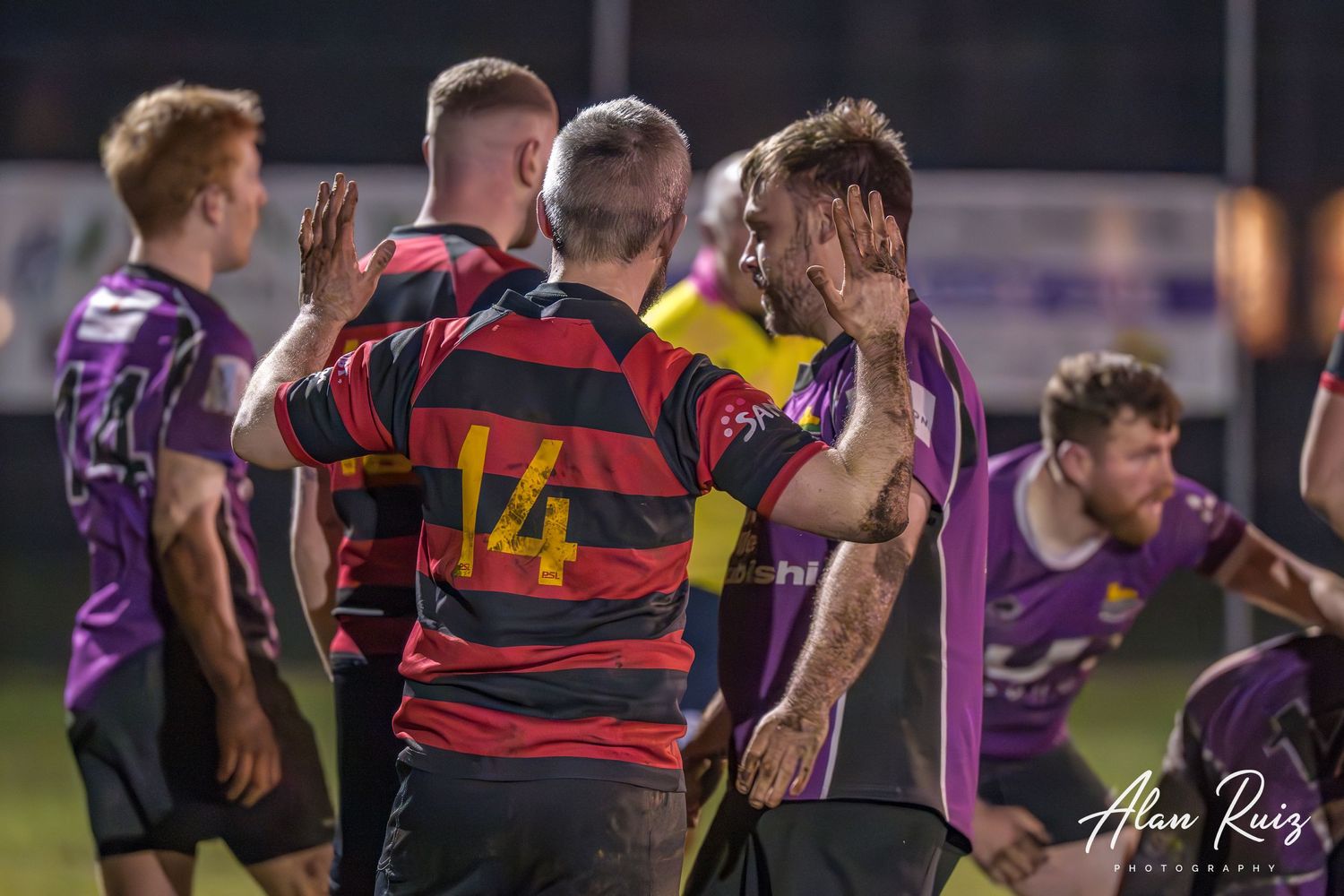
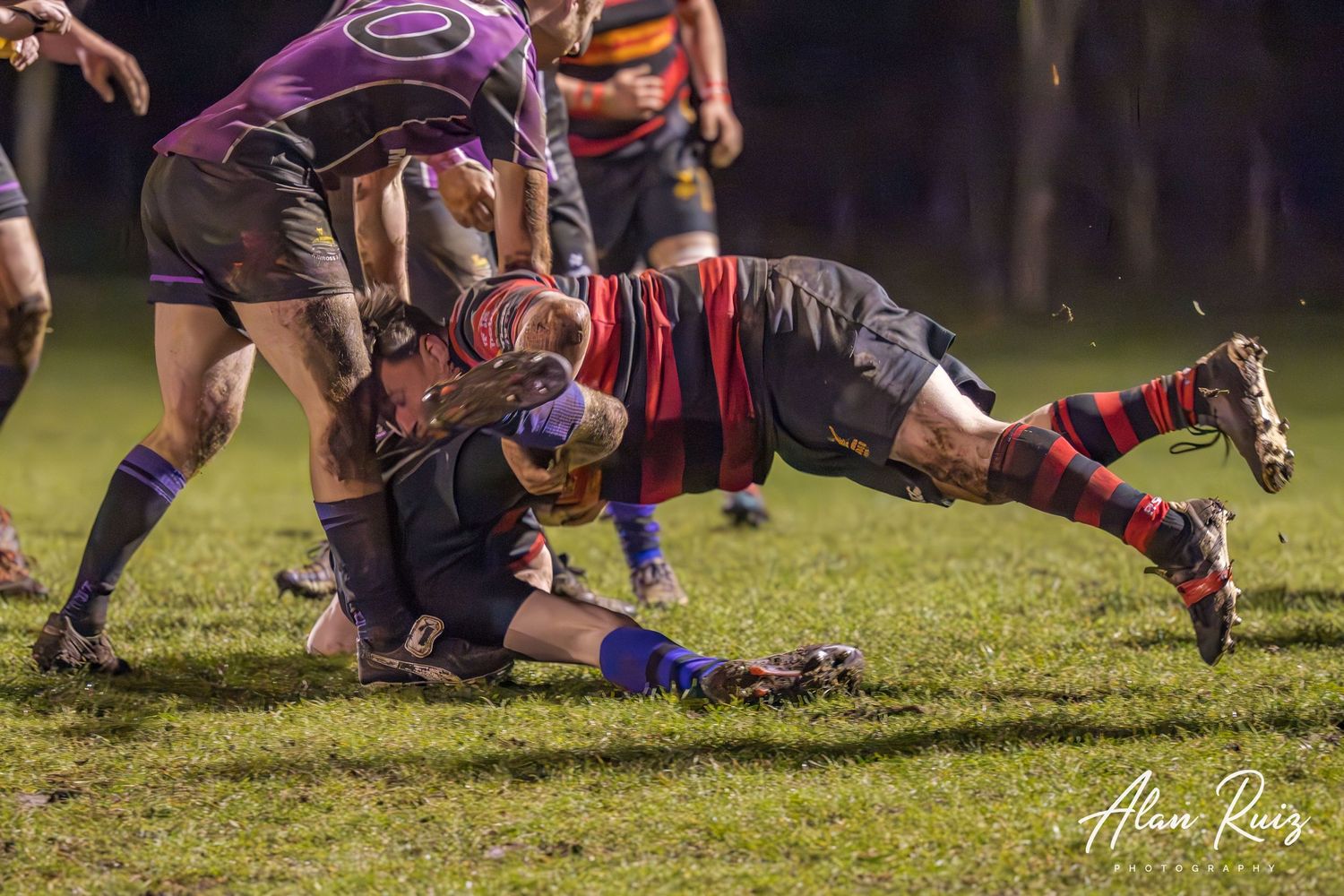
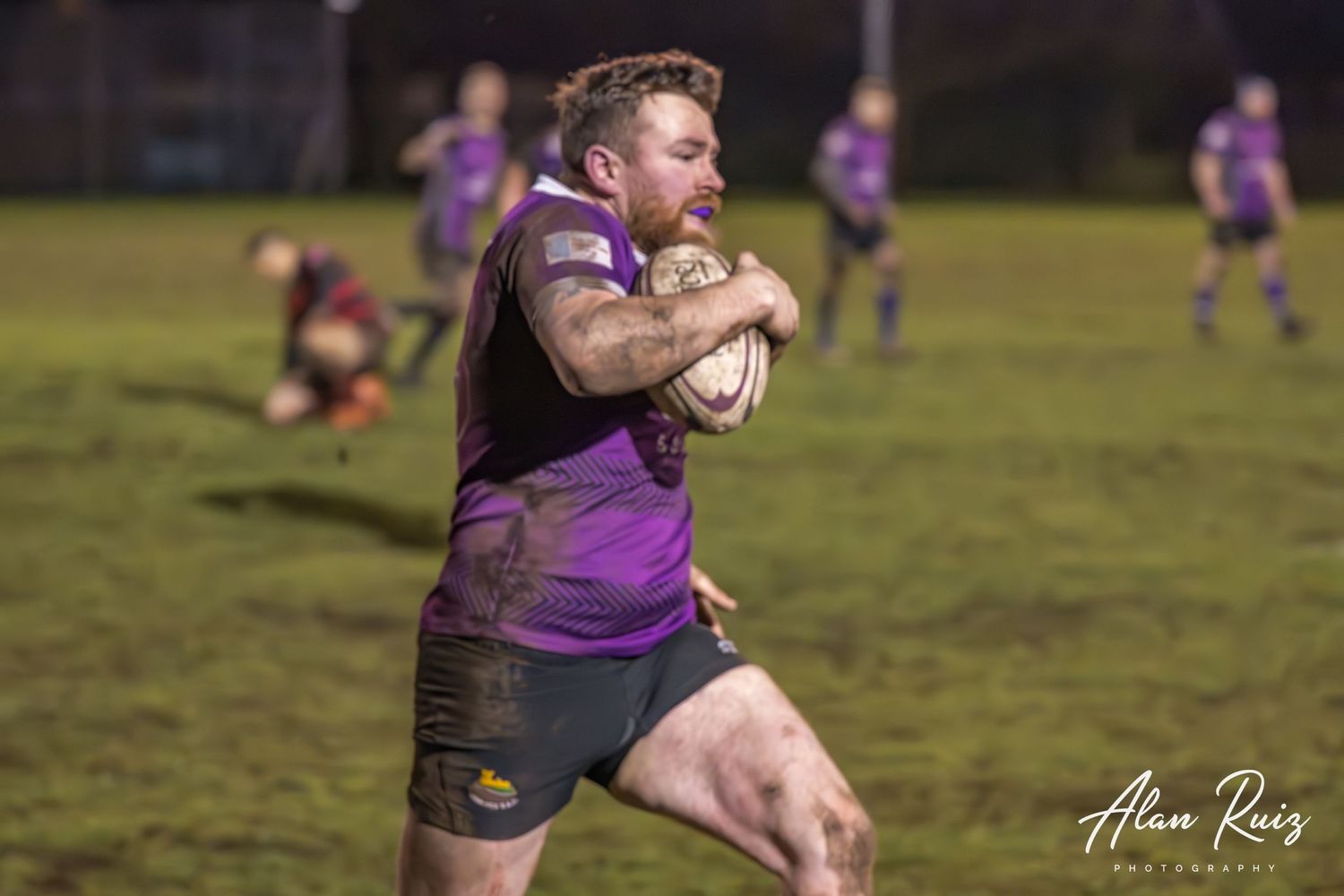
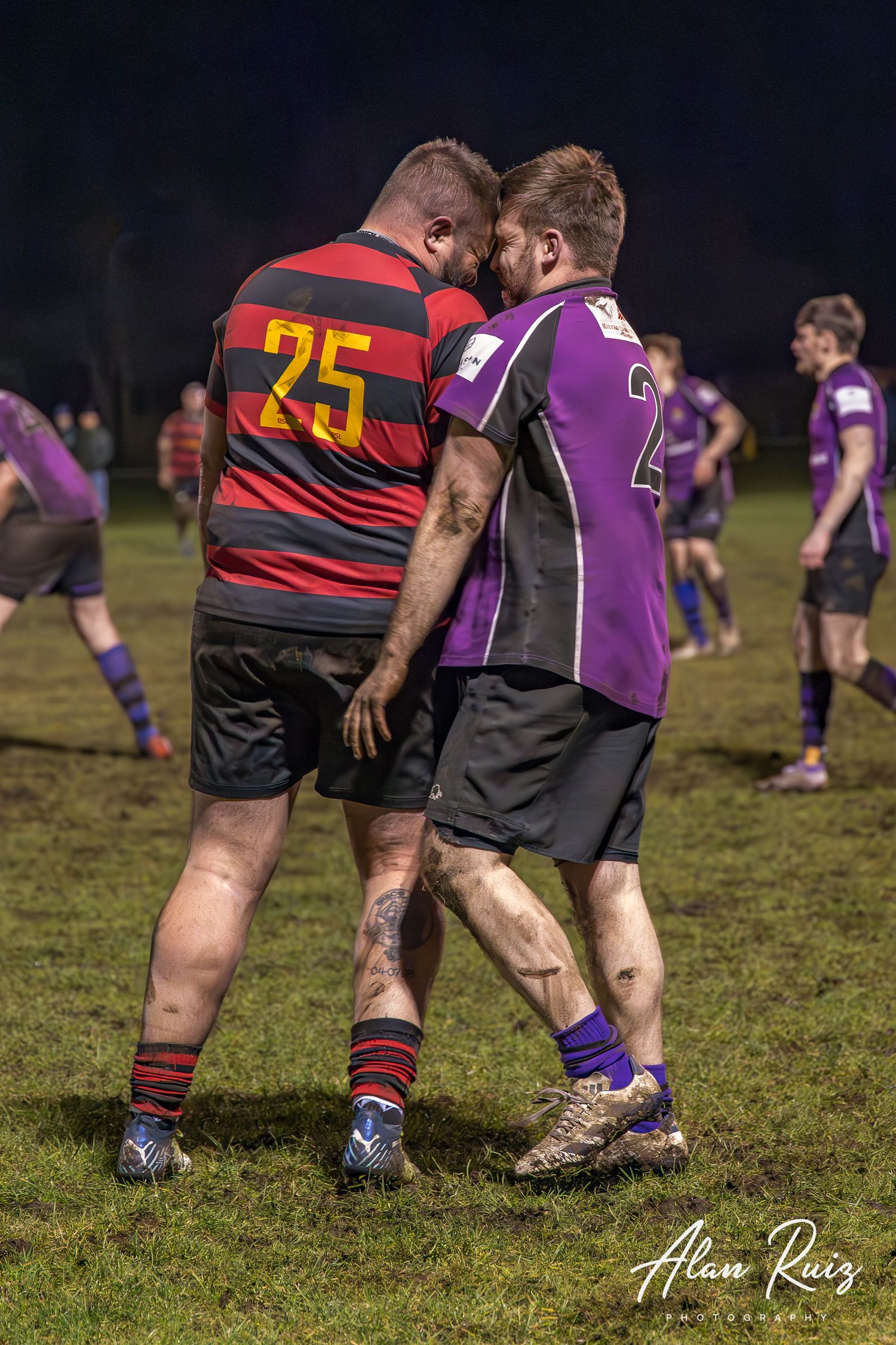
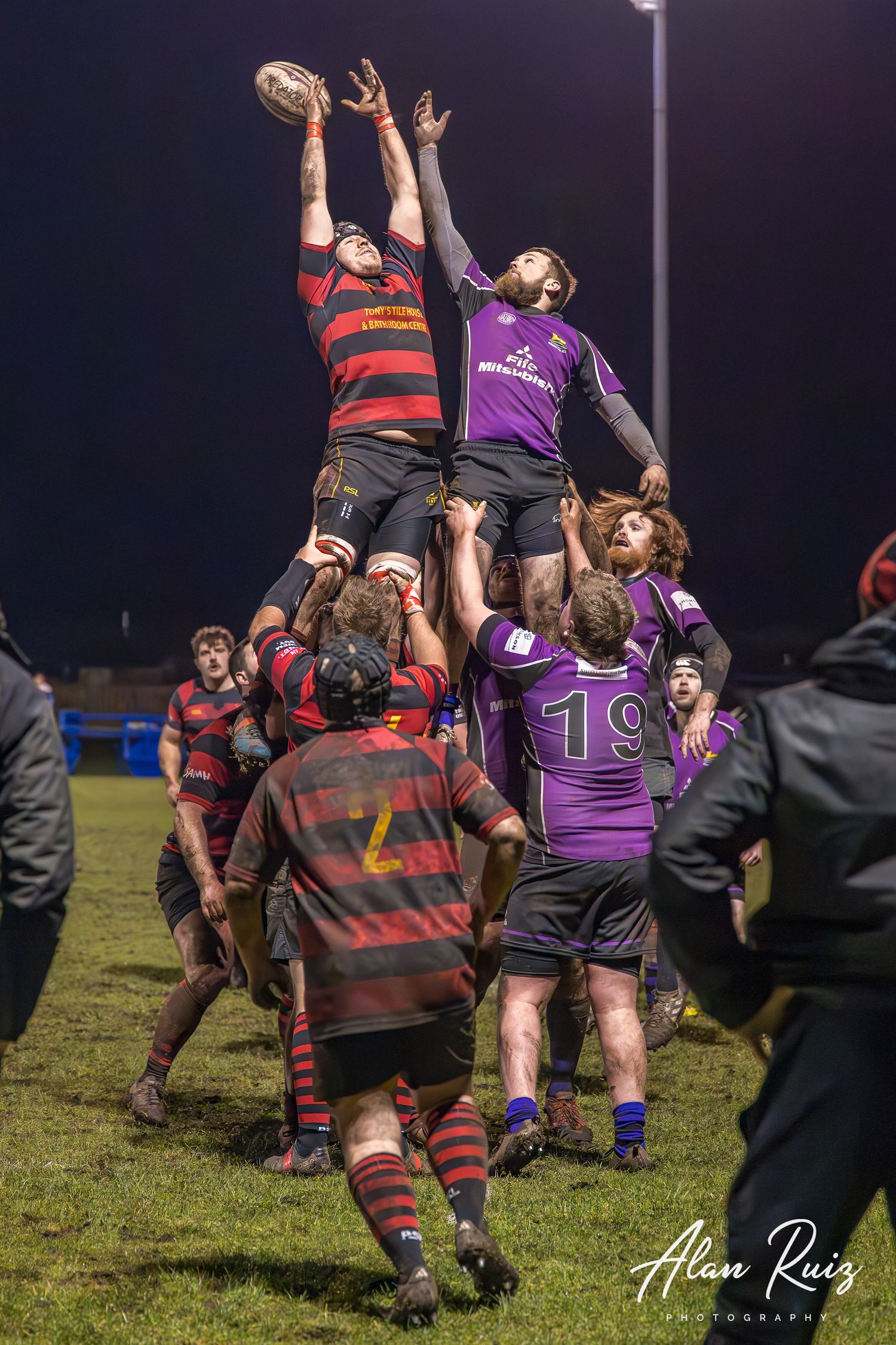
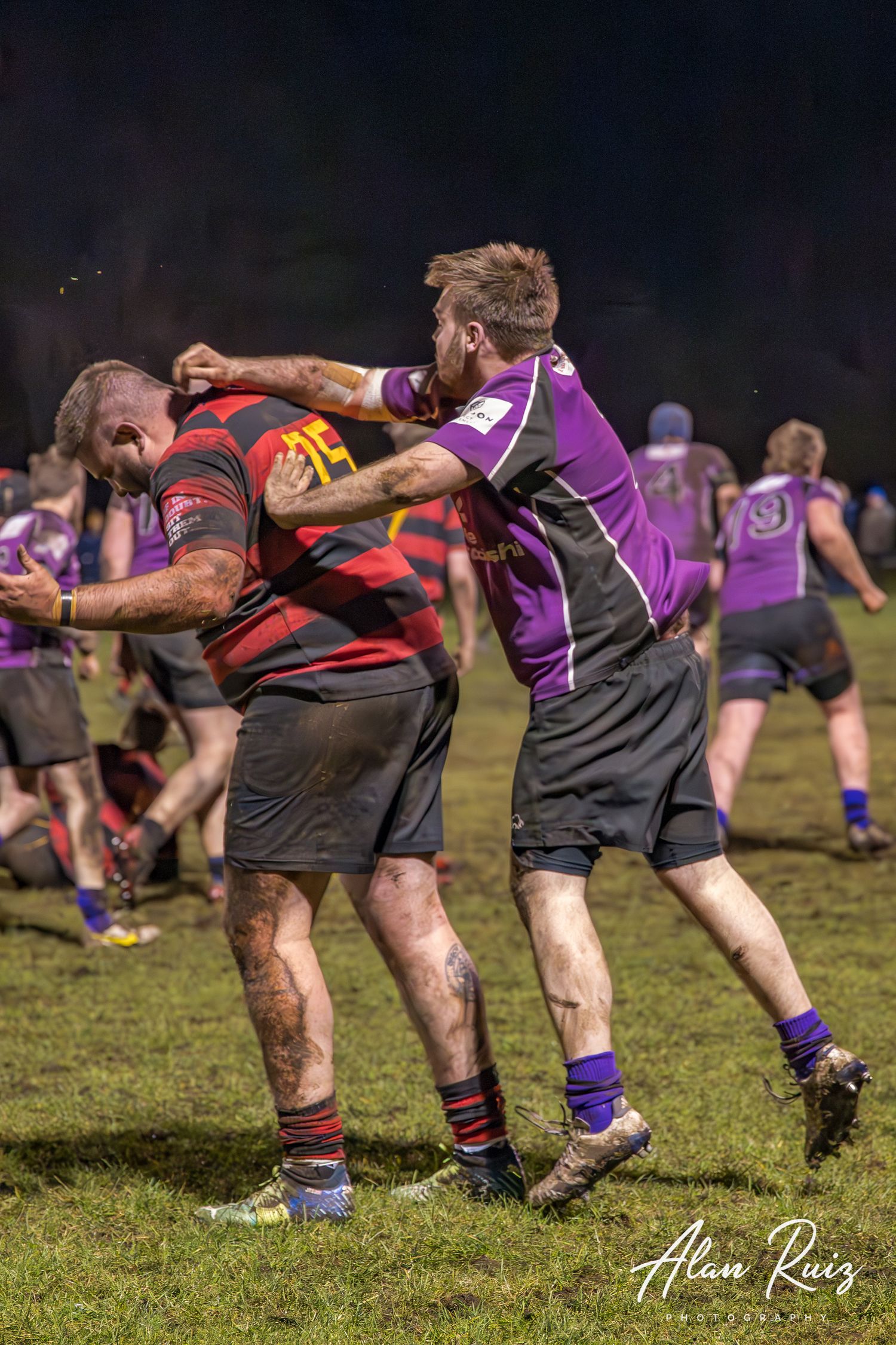
The last time these two teams met, Grangemouth ran riot, winning by almost 60 points. This time, Kinross had something to prove. And prove it they did, grinding out a hard-fought victory by a four point margin. It wasn’t the prettiest game, the mud made sure of that, but it had everything—big tackles, slippery muddy conditions, three yellow cards, and more heated arguments than a family Christmas dinner. Even the coaching staff got in on the action, which added an extra layer to the night. The winning side scored four brilliantly worked tries (Wood, Hodge, Kilby & Hunter) with MacPherson putting over three conversions. He also picked up the star player award alongside Hawkins.
The Challenges: Light? What Light?
Photographing a rugby match is challenging enough, but doing it under floodlights that could barely illuminate a birthday cake? That’s a different beast entirely. The dim lighting forced me to push my Nikon Z8 to its limits, cranking up the ISO between 16,000 and 20,000 to get anything usable! Thankfully, the Z8’s high-ISO performance is phenomenal, otherwise, I would’ve been left with photos that looked like they were shot through a sandstorm. My trusty f/2.8 lens was the real MVP, letting me freeze the action with a high shutter speed—because let’s face it, blurry shots of rugby players just look terrible.
To salvage the images from the noise, I used Topaz Denoise AI 3, an incredible bit of software for removing noise while preserving details. Without it, shooting at such high ISO values would have been almost impossible. It was a game-changer for making my shots look sharp and professional despite the poor lighting conditions. It wasn’t perfect on every occasion but it saved me 95% of the time. Can't ask for more than that really.
The Drama
Now, it wouldn’t be a true grassroots rugby match without some sideline theatrics. As I was snapping away, I noticed a Grangemouth player showing clear signs of a concussion after a bad head knock. He could barely stand and had blood coming from his ear. Like any decent human being, I (along with others on the side lines) flagged it to their coaching staff. Big mistake. One of their coaches took offense, and instead decided to threaten me—because, apparently, letting him know his player was concussed was an unforgivable crime. The players deserve coaching staff who will look after their welfare so let’s hope he's okay and no long term damage is done.
The Celebration: Lager Showers and Sportsmanship
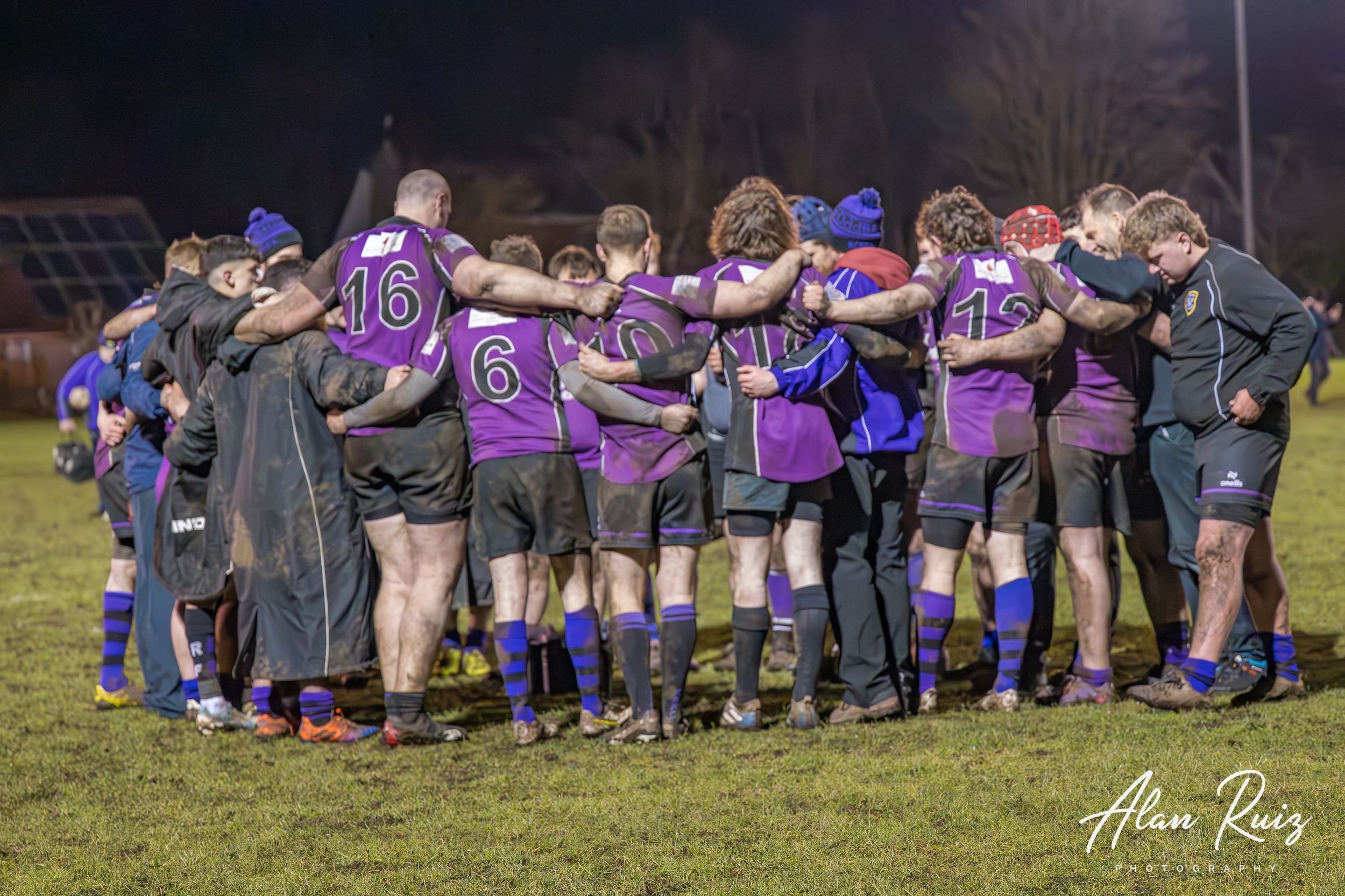
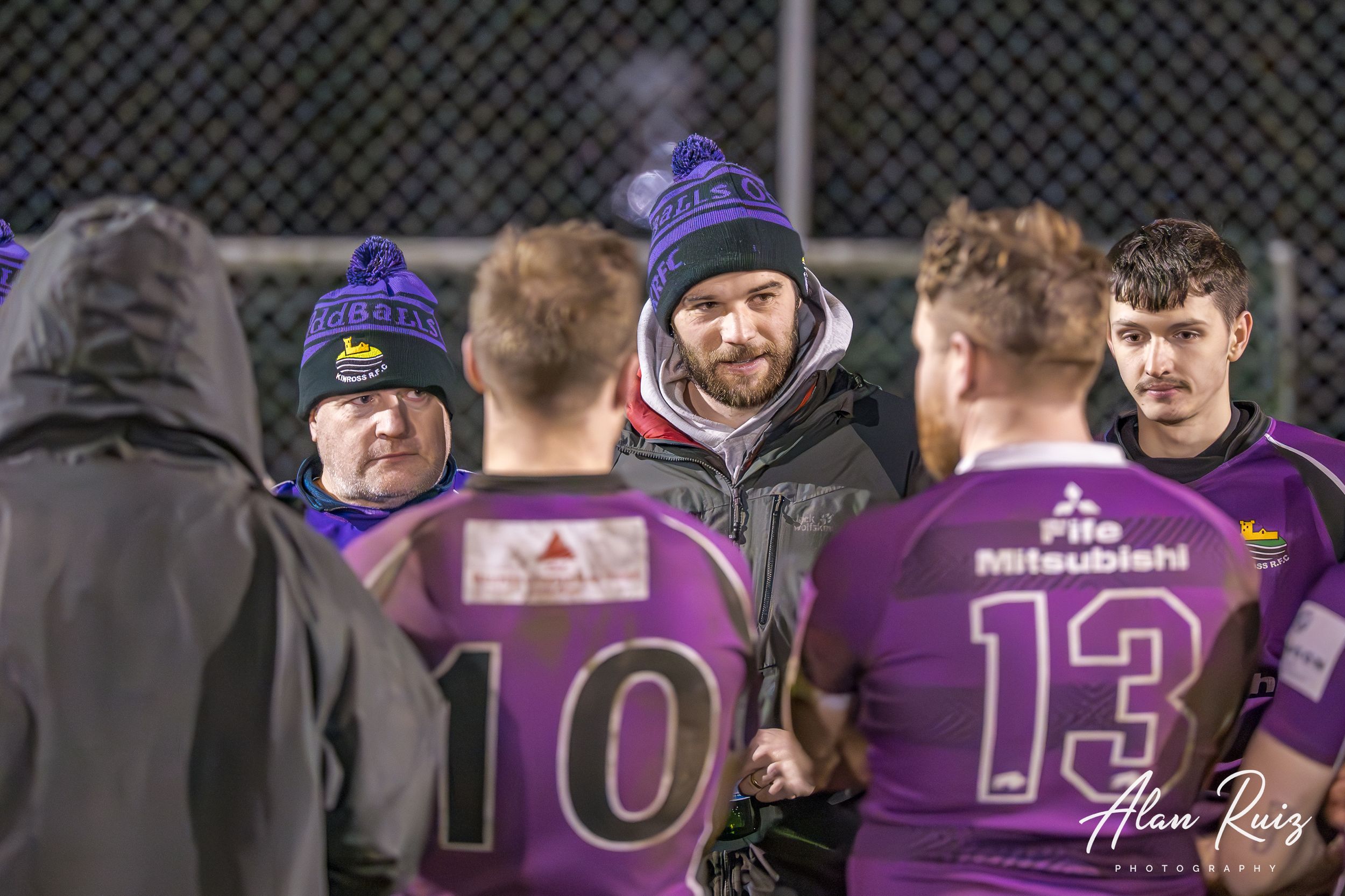
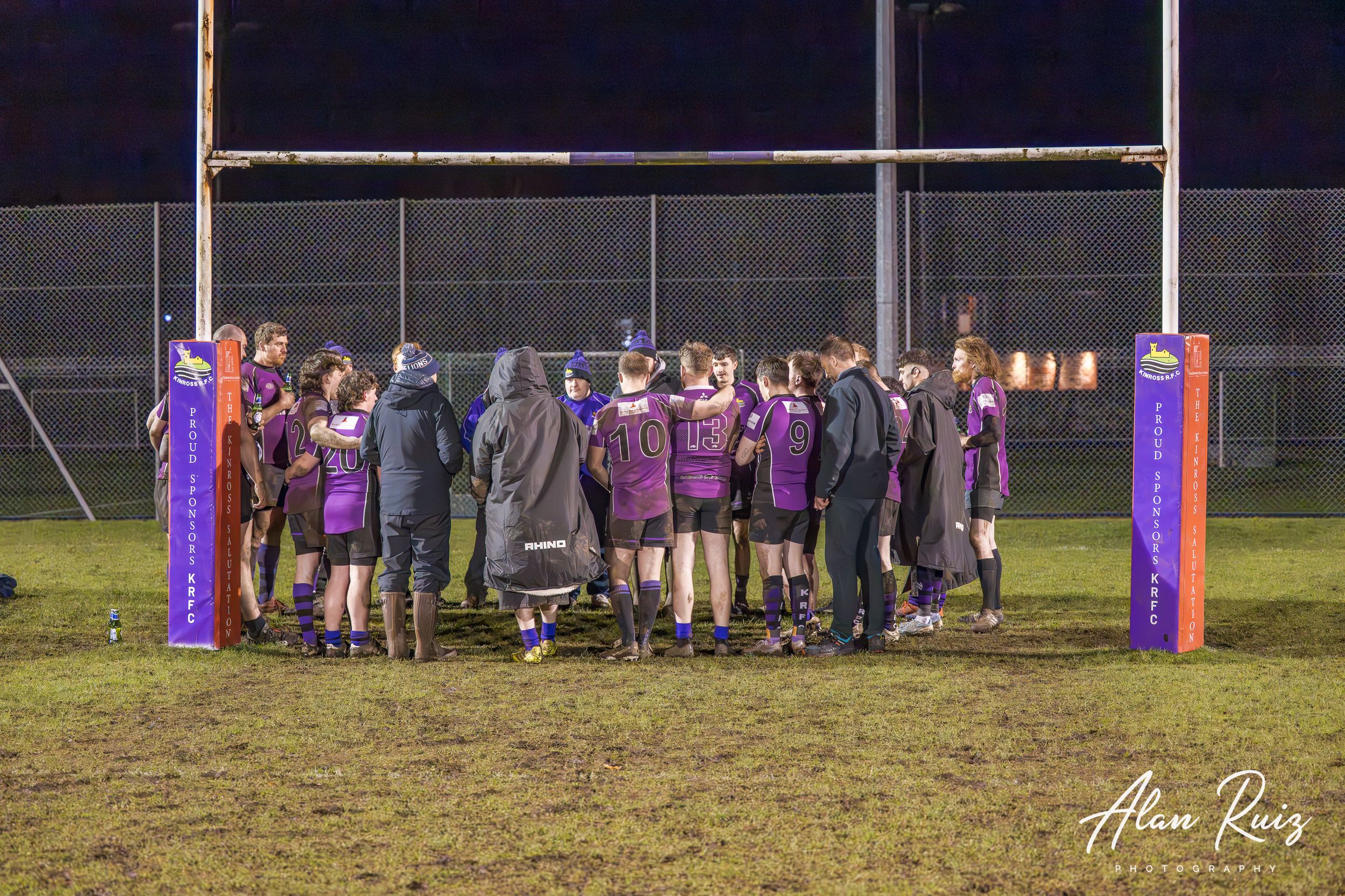
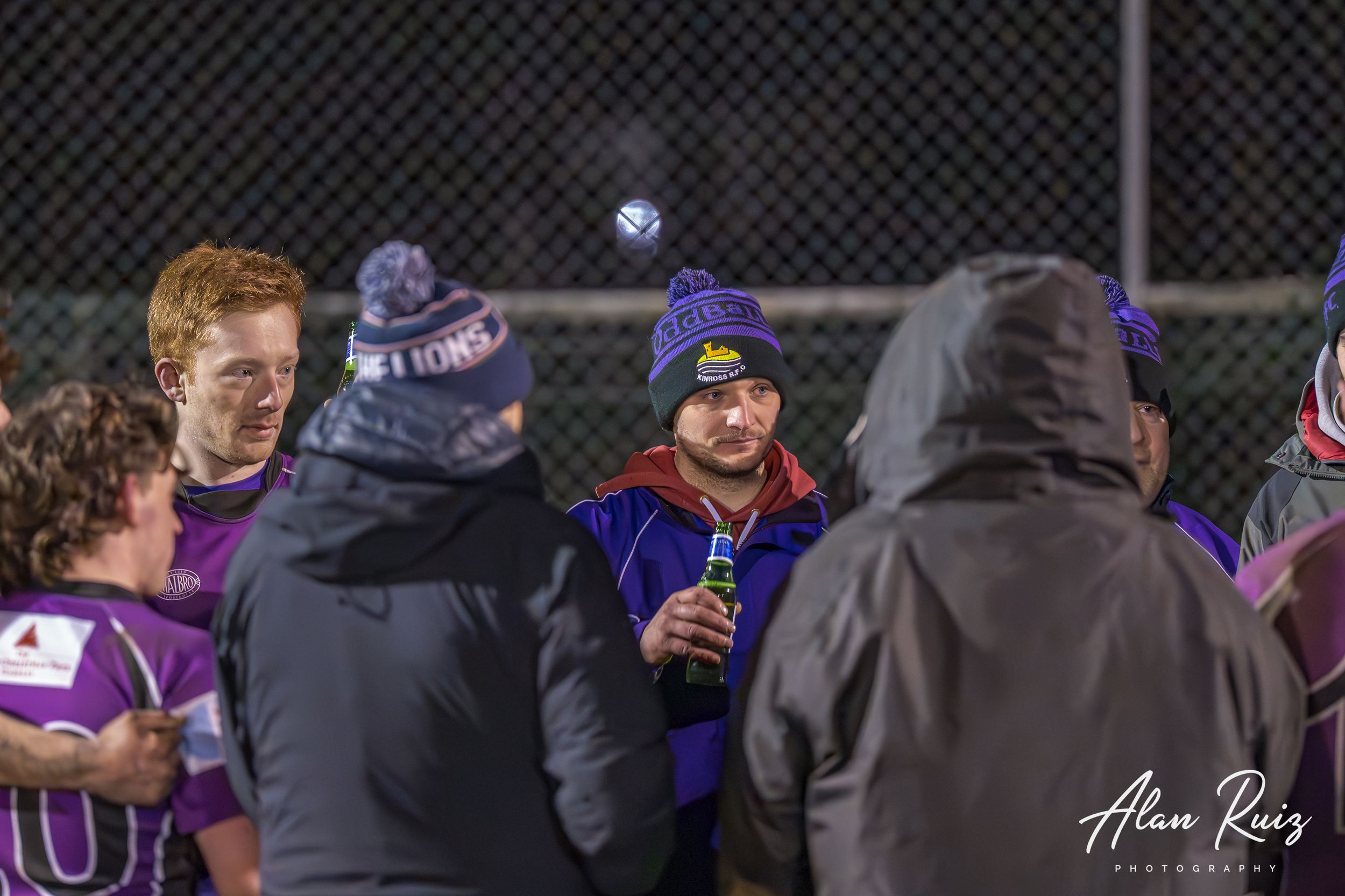
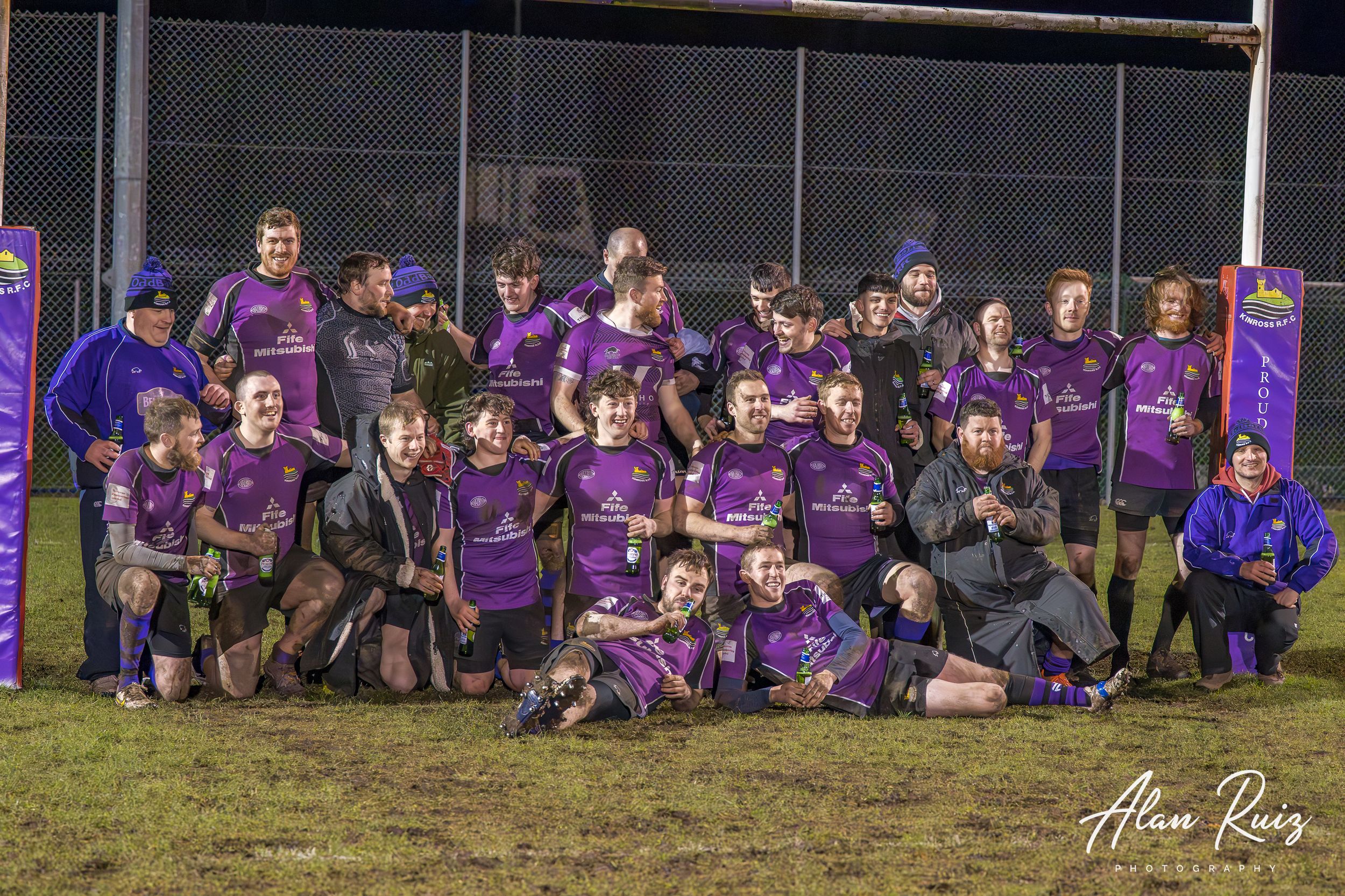
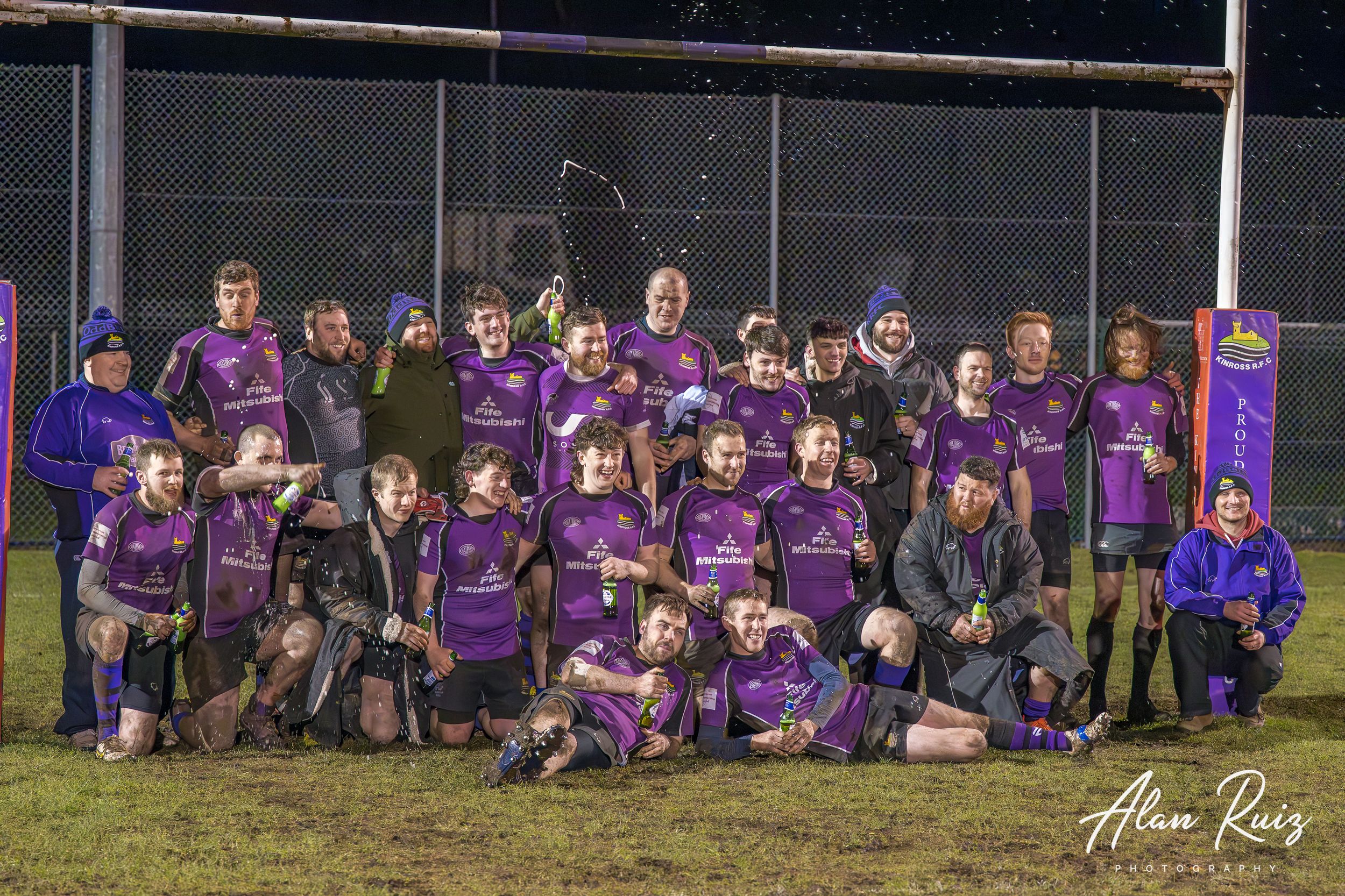
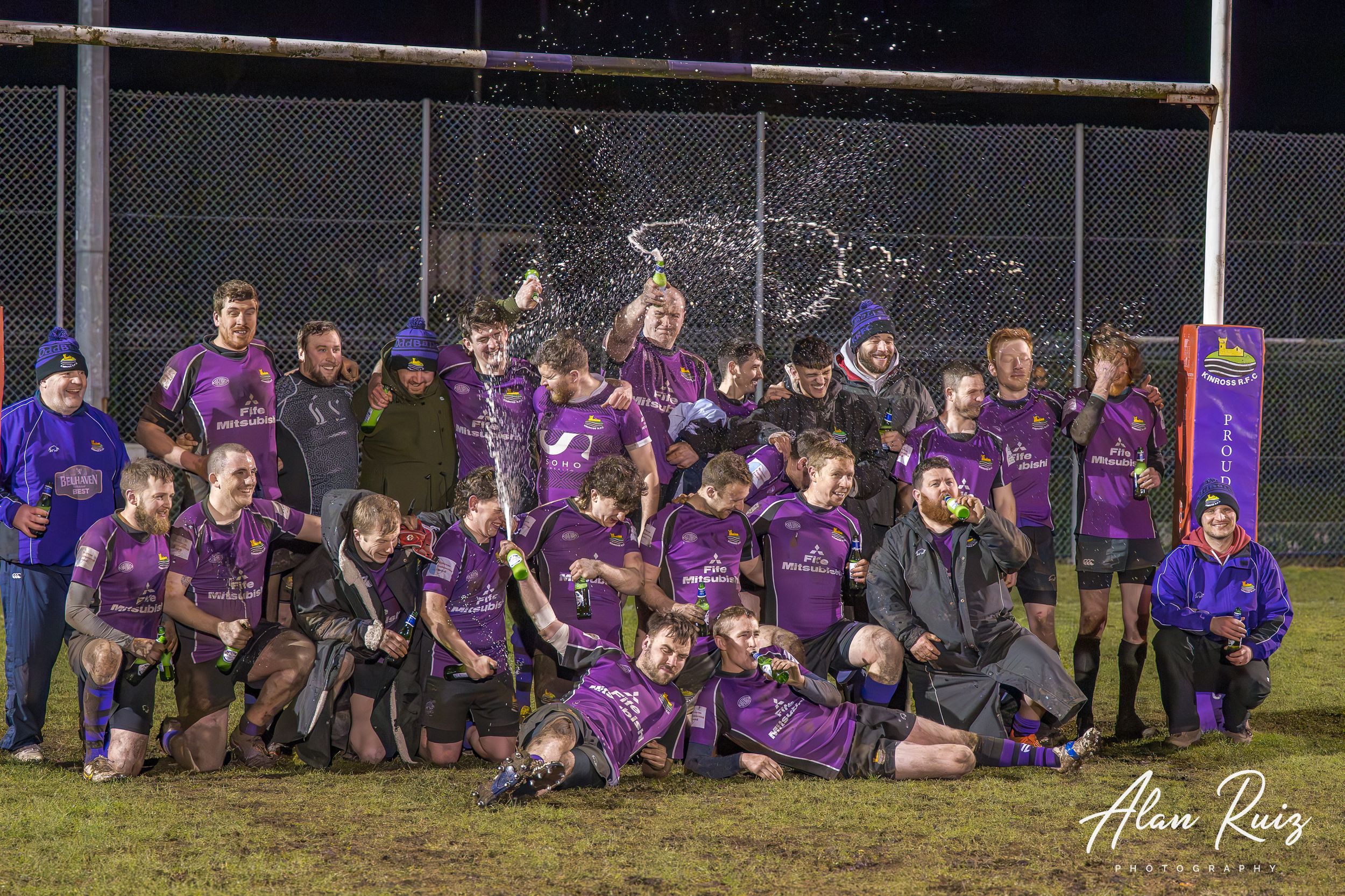
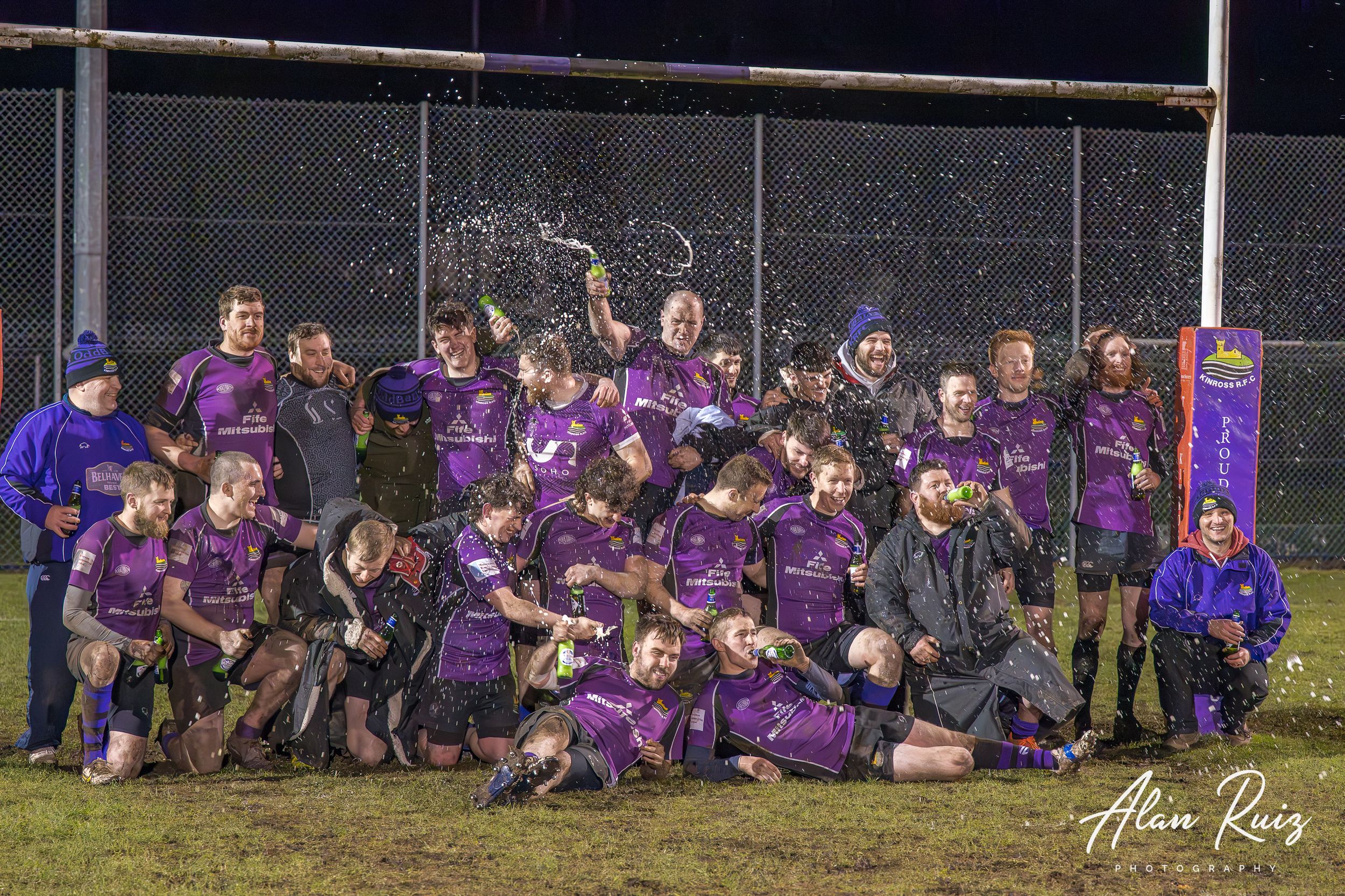
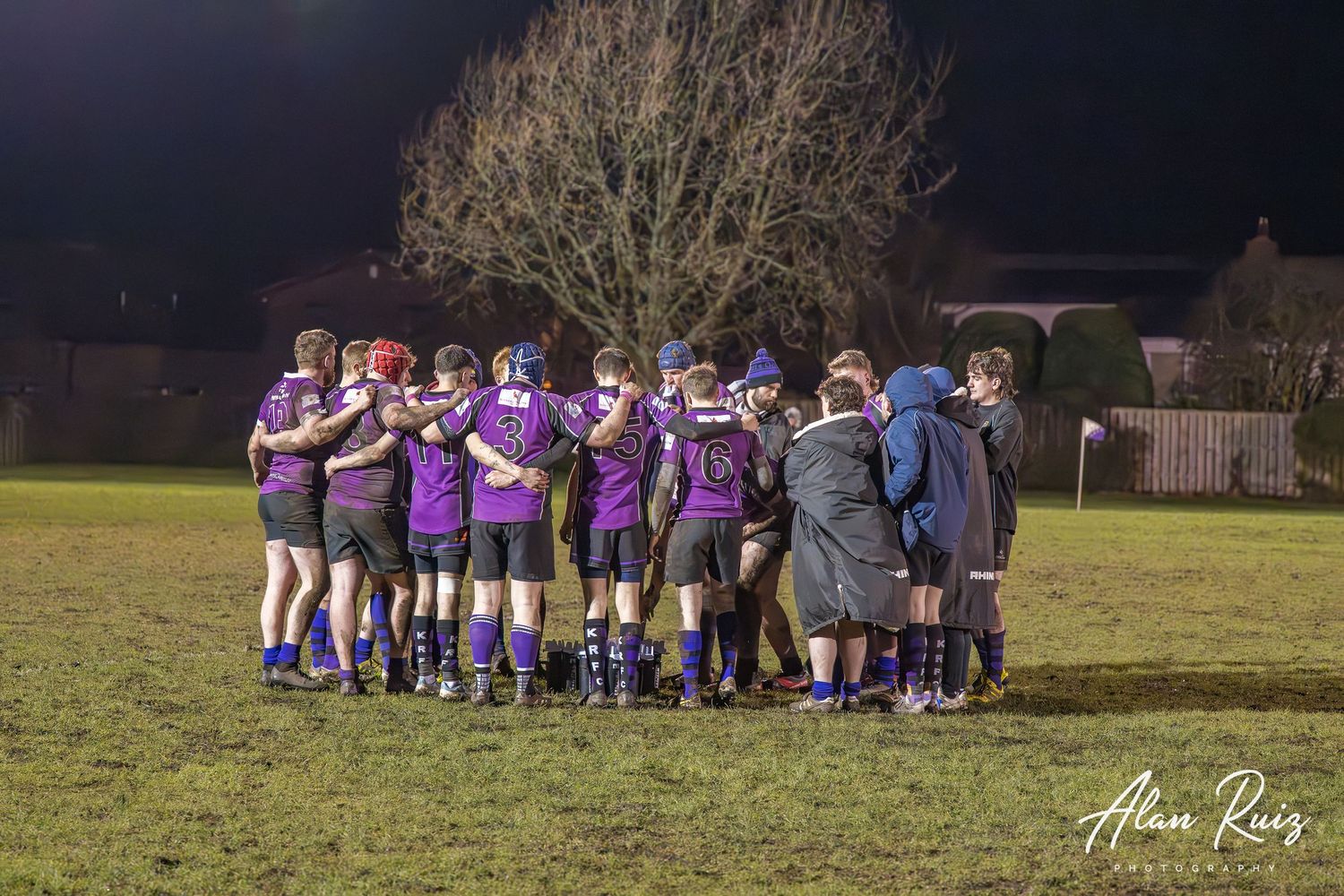
Despite the intensity of the match and the sideline drama, both teams showed huge respect at the final whistle. The winning Kinross team celebrated in true rugby fashion—by spraying lager all over each other. Meanwhile, both sides exchanged handshakes, pats on the back, and shared a few laughs. This is what rugby is all about: a tough battle on the field and friendships off it.
Lessons Learned: Adapt or Die (Photographically Speaking)
Despite the chaos, this match was one of the best learning experiences I’ve had in sports photography. Shooting in near-darkness, battling the elements, and dodging angry coaches—all in a night’s work. If there’s one takeaway from this, it’s that you need to trust your gear, embrace high ISO when needed, and always, ALWAYS bring a thick skin when photographing rugby. So, would I do it again? Absolutely. But next time, I might bring a bodyguard.